Key Takeaways
- Block direct sunlight during the day with curtains, shades, or exterior awnings.
- Open windows when outdoor air is cooler than the air inside.
- Use ceiling or portable fans to improve airflow around your body.
- Choose lightweight, breathable bedding and sleepwear for better comfort.
- Reduce indoor heat by limiting appliance use during the hottest hours.
- Control humidity with proper ventilation and a dehumidifier when needed.
- Improve insulation, attic ventilation, and air sealing for lasting comfort.
Sleeping in hot weather can be a real challenge. When your bedroom feels warm, humid, and stuffy, it can be hard to relax, fall asleep, or stay asleep through the night. While air conditioning is one of the easiest ways to cool a home, you do not always need AC to make your bedroom more comfortable.
With the right combination of airflow, shade, bedding, moisture control, and simple home improvements, you can reduce indoor heat and make hot nights much easier to handle. The key is to think beyond simply cooling your body. Your goal is to keep the bedroom from gaining too much heat in the first place while helping your body release heat as you sleep.
Here are practical ways to sleep more comfortably in hot weather without relying on traditional central air conditioning.
1. Start by Blocking Heat During the Day
One of the best ways to make your bedroom cooler at night is to stop heat from entering during the day.
Sunlight coming through windows can raise indoor temperatures quickly, especially in bedrooms with windows that face east or west. Standard windows can allow a large amount of solar heat into a home, which is one reason window shading is so important during hot weather.
Keep curtains, blinds, or shades closed during the hottest part of the day. If possible, use blackout curtains or thermal window shades in bedrooms that receive direct sunlight.
Exterior shading can work even better because it blocks some of the heat before it reaches the glass. Options include:
- Exterior shutters
- Window awnings
- Shade screens
- Pergolas
- Outdoor blinds
- Trees and other landscaping
If you are planning a larger home improvement project, consider the orientation of your windows as well. West-facing windows can be especially troublesome because they receive strong afternoon sunlight when outdoor temperatures are already high.
2. Open Windows at the Right Time
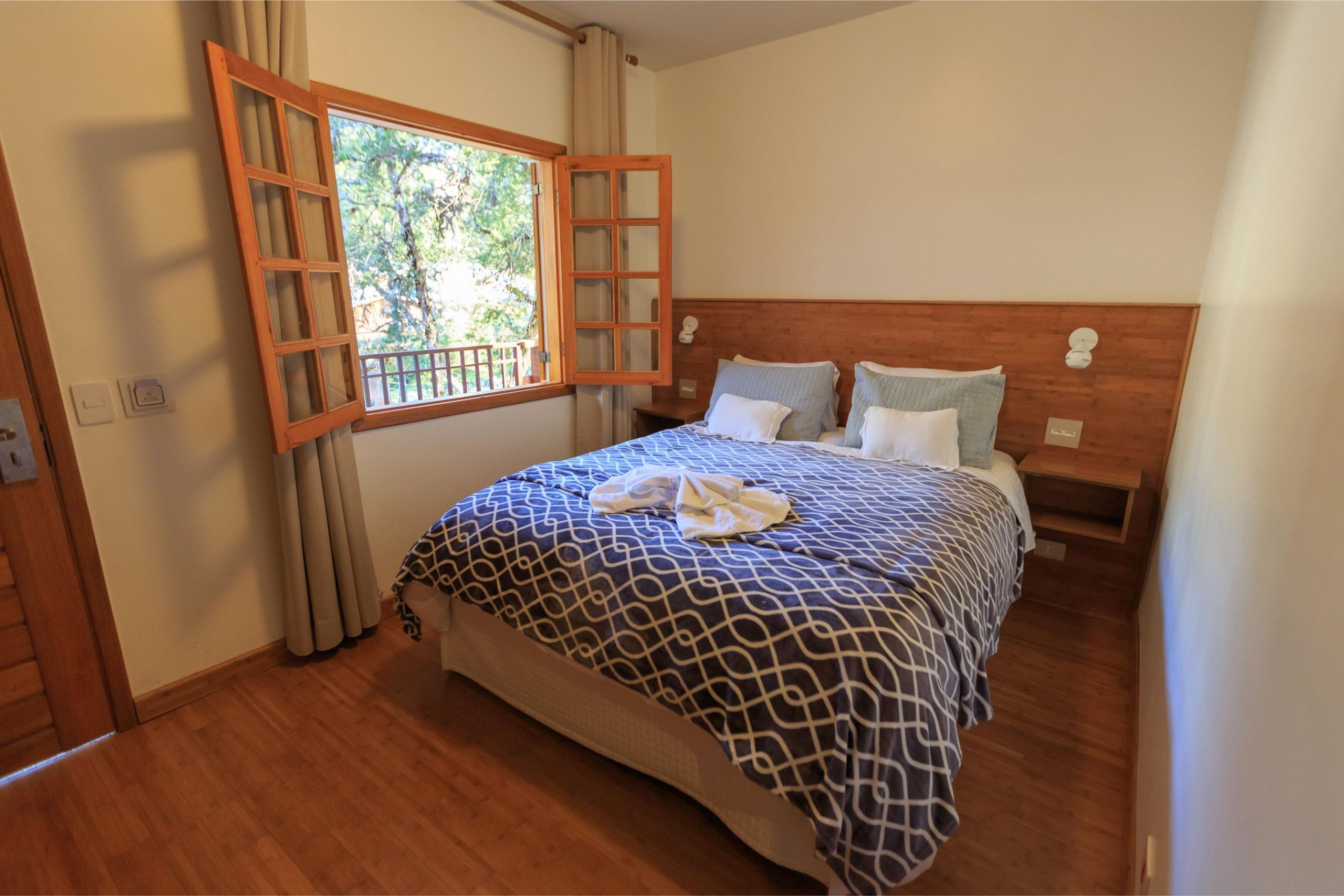
Opening windows can help cool a home, but timing matters.
If the outdoor air is cooler than the air inside your home, open windows to let the cooler air in. This works particularly well in the evening, overnight, and early morning in climates where nighttime temperatures drop.
The Department of Energy notes that natural ventilation works best in areas with cool nights and regular breezes. Opening windows on opposite sides of a home can also create cross-ventilation, allowing air to move through the house.
However, do not automatically open every window all night. If the outdoor air is hotter or more humid than the indoor air, open windows may make the bedroom less comfortable.
A simple rule is:
Open windows when outside conditions are cooler and more comfortable than inside conditions. Close them when outdoor heat and humidity begin to rise.
A basic indoor thermometer and humidity meter can help you decide when to open or close windows.
3. Use Fans to Move Air Across Your Body
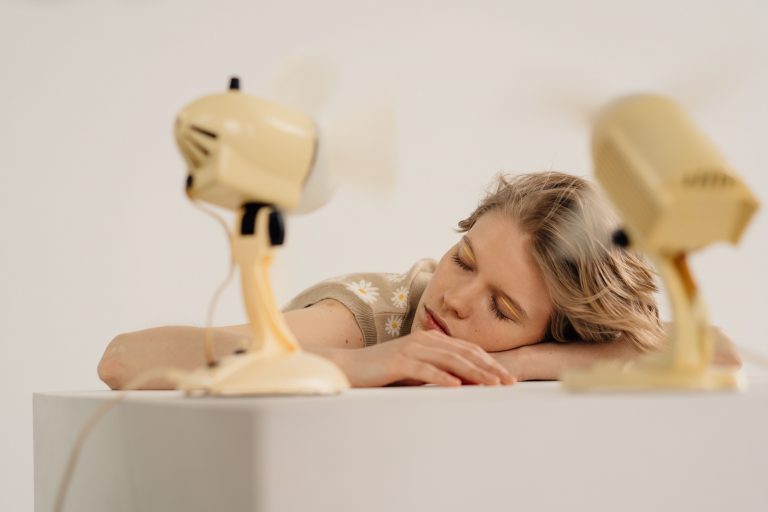
Fans do not actually lower the temperature of a room. Instead, they move air across your skin, helping sweat evaporate and making you feel cooler.
That makes a fan especially useful at bedtime.
A ceiling fan is a good choice because it can circulate air across a large part of the bedroom. During warm weather, make sure the fan is set to rotate in the direction that pushes air downward.
You can also use a portable fan beside the bed. Aim it so air moves across your body rather than directly at your face if that feels more comfortable.
For better ventilation, consider placing a fan near an open window. Depending on the outdoor conditions and the layout of your home, the fan can help pull cooler outdoor air inside or push warm indoor air outside.
Just remember that a fan is most useful when someone is in the room. Since it cools people rather than the room itself, there is usually little reason to leave a fan running in an empty bedroom.
4. Create Cross-Ventilation
One fan can help, but two openings can create much better airflow.
If your bedroom has windows on different sides of the room or home, open them when outdoor conditions are favorable. Air entering through one opening can move through the room and leave through another.
You can improve this effect by placing a window fan at one opening and leaving another window open elsewhere.
For homes with multiple floors, warm air may also rise naturally. Opening an upstairs window while allowing cooler air to enter lower in the home can sometimes improve airflow.
This approach works best when the outside air is cooler and relatively dry. In hot, humid weather, bringing outdoor air indoors may add moisture instead of improving comfort. The Department of Energy specifically cautions that ventilation is less effective as a cooling strategy in hot, humid climates.
5. Choose Lightweight Bedding
Your mattress and bedding can have a surprising effect on how hot you feel at night.
Heavy comforters, thick blankets, and dense synthetic fabrics can trap body heat. During hot weather, switch to lightweight sheets made from breathable materials.
Cotton is a common choice because it is breathable and easy to wash. Linen is another option that many people find comfortable in warm weather.
You can also remove extra layers from your bed. If you normally sleep under a comforter, try using only a sheet during the hottest nights.
The mattress itself matters, too. Some foam mattresses retain more heat than others. If replacing your mattress is not practical, a breathable mattress protector or cooling mattress pad may help improve airflow around your body.
6. Keep Your Bedroom Dark and Quiet
A dark bedroom is not only useful for sleep quality. Keeping it dark during the day can also reduce solar heat gain.
Close blinds and curtains before the sun hits the bedroom. If your windows receive strong afternoon sun, consider combining interior curtains with exterior shade.
At night, use dim lighting rather than bright overhead lights. Many light fixtures and electronic devices produce some heat. The amount may be small individually, but several heat-producing devices in a small bedroom can add up.
Turn off unnecessary electronics before bed. If possible, keep computers, gaming systems, televisions, and other heat-producing equipment outside the bedroom.
7. Reduce Heat From Cooking and Appliances
A hot bedroom may actually be the result of heat generated elsewhere in the house.
Cooking with an oven or stovetop can add substantial heat indoors. During very hot days, consider using an outdoor grill, preparing cold meals, or choosing appliances that produce less indoor heat. The Department of Energy recommends cooking outside during hot weather as one way to avoid adding heat to the home.
Also check appliances such as:
- Dryers
- Dishwashers
- Ovens
- Large televisions
- Desktop computers
- Game consoles
- Older light bulbs
Run heat-producing appliances during cooler parts of the day when possible. If your kitchen has an exhaust fan that vents outdoors, use it when cooking to remove heat and moisture.
8. Control Indoor Humidity
Temperature is only part of the comfort equation. High humidity can make a room feel much hotter because sweat does not evaporate as easily.
If you live in a humid climate, controlling moisture can make a major difference.
Use bathroom exhaust fans during showers and kitchen exhaust fans while cooking. Make sure these fans actually vent outdoors rather than simply moving moist air into another part of the house. ENERGY STAR recommends using kitchen and bath fans to manage indoor moisture and leaving them running for a period after cooking or showering.
A portable dehumidifier can also help in a damp bedroom, although it produces some heat while operating. Place it where the heat it generates will not make the sleeping area less comfortable.
A humidity meter can help you determine whether moisture is part of the problem.
9. Take a Cool Shower Before Bed
A cool or lukewarm shower can help you feel more comfortable before bedtime.
You do not necessarily need an ice-cold shower. Extremely cold water can feel unpleasant and may cause your body to respond by trying to conserve heat. A comfortably cool shower is often enough to remove sweat and help you relax.
Afterward, wear loose, lightweight sleepwear. Choose breathable fabrics instead of thick pajamas or tight clothing that can trap heat.
You can also wash your face, hands, feet, or neck with cool water when you wake up feeling overheated.
10. Keep Your Body Hydrated

Hot weather increases fluid loss through sweat. Drinking enough water during the day can help you stay comfortable at night.
Keep a glass or bottle of water near your bed so you do not have to get up if you become thirsty.
At the same time, avoid drinking large amounts right before going to sleep. Constant trips to the bathroom can interrupt your rest.
Alcohol can also contribute to dehydration and may make sleep less restful, so it is worth limiting on especially hot nights.
11. Improve Your Attic Insulation and Ventilation
If your entire home becomes extremely hot during the day, the problem may be above your bedroom.
An attic can become very hot under summer sun. Proper attic ventilation helps move super-heated air out, while insulation slows heat transfer from the attic into the living space. ENERGY STAR notes that proper insulation and attic airflow work together to reduce heat transfer into the home.
Check your attic for:
- Thin or damaged insulation
- Blocked soffit vents
- Poorly sealed openings
- Air leaks around ducts
- Gaps around wiring and plumbing
- Inadequate ventilation
Air sealing and insulation are among the most useful home improvements for improving comfort. ENERGY STAR describes sealing and insulating as some of the most cost-effective ways to make a home more comfortable and energy efficient.
If you are unsure about the condition of your attic, a home energy professional can inspect it and identify areas where heat is entering.
12. Seal Drafts and Air Leaks
Air leaks can make it harder to control indoor temperatures.
Check around windows, exterior doors, electrical outlets, plumbing penetrations, and other openings in the home’s exterior walls.
Caulk can seal many small stationary gaps, while weatherstripping can help seal moving parts around doors and windows.
A better-sealed home is not only more comfortable during summer. It can also make heating and cooling systems work more efficiently throughout the year. ENERGY STAR estimates that homeowners can save an average of 15% on heating and cooling costs through air sealing and adding insulation in appropriate areas.
13. Consider Better Windows and Exterior Shade
If your bedroom consistently feels much hotter than the rest of the house, look at the windows.
Older or poorly performing windows can allow significant solar heat into a room. ENERGY STAR notes that typical double-pane windows can allow a substantial amount of solar heat gain, while certified energy-efficient windows can reduce that heat gain.
You do not always need to replace your windows immediately. Start with lower-cost improvements such as:
- Blackout curtains
- Solar shades
- Window films
- Exterior awnings
- Shade trees
- Exterior shutters
If you are already planning a window replacement project, choose products suited to your local climate and the direction the windows face.
14. Make the Bedroom Your Cool Zone
If cooling the entire home is difficult, focus your efforts on the bedroom.
Close doors to rooms that are not being used. Keep unnecessary heat-producing equipment out of the bedroom. Use fans strategically and block sunlight during the day.
You can also spend the hottest part of the evening in the coolest room of the home before going to bed.
If your home has a lower level that stays cooler, you may even consider sleeping there during extreme heat. Heat rises, so lower floors can sometimes be more comfortable than upper bedrooms.
15. Know When a Cooling System Makes Sense
There are limits to what fans and ventilation can do. If outdoor temperatures remain extremely high overnight, or if your home is very humid, natural cooling may not provide enough relief.
In that situation, a more efficient cooling system may be worth considering.
A ductless mini-split can provide targeted cooling without requiring traditional ductwork. This can be useful if you mainly need to cool one or two bedrooms rather than the entire home. When comparing options, look at the mini split system benefits such as zone control, efficient operation, and the ability to cool specific areas instead of conditioning unused rooms.
The right system depends on your home’s size, layout, insulation, climate, and electrical setup. A qualified HVAC professional can help determine the appropriate capacity rather than simply choosing the largest unit available.
16. Protect Yourself During Extreme Heat
Comfort is important, but safety comes first.
Hot nights can be especially difficult because your body has less opportunity to cool down. Extreme heat can cause serious heat-related illness, particularly for older adults, young children, and people who are more vulnerable to high temperatures.
If your bedroom becomes dangerously hot, do not rely only on a fan. Move to a cooler location if possible, drink water, and use an available cooling space during severe heat.
Watch for warning signs such as unusual weakness, confusion, dizziness, severe headache, nausea, or other symptoms of heat illness. Seek appropriate medical help if symptoms are serious or worsening.
Make Your Home Work With the Weather
Learning how to sleep in hot weather without AC is less about finding one magic trick and more about combining several small improvements.
Start with simple steps: block sunlight during the day, open windows when outdoor air is cooler, use fans to create airflow, choose breathable bedding, reduce indoor heat sources, and manage humidity.
Then look at longer-term home improvements. Better insulation, attic ventilation, air sealing, exterior shading, and energy-efficient windows can reduce the amount of heat entering your home in the first place.
If those improvements still do not provide enough comfort, targeted cooling such as a ductless mini-split may be a practical next step.
The biggest lesson is simple: cool the home before bedtime, move air across your body while you sleep, and prevent heat from building up indoors during the day. With a few smart changes, even a home without central AC can become noticeably more comfortable during hot summer nights.
About the Author