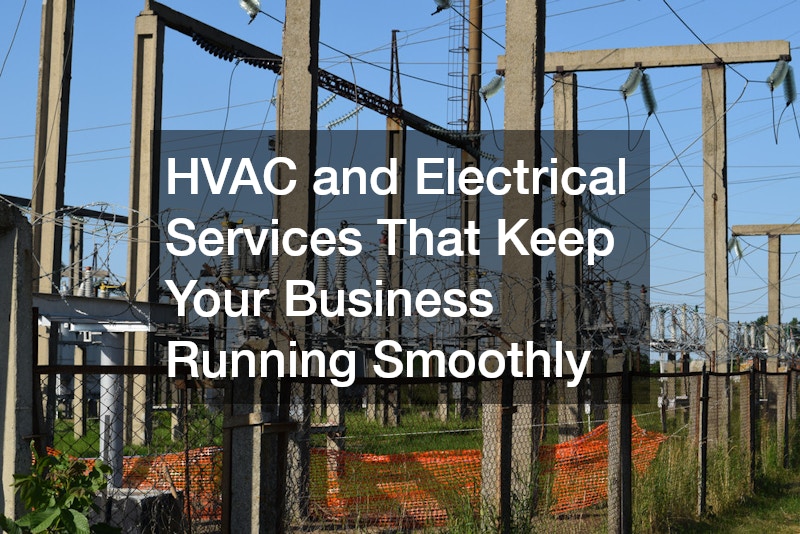
In the modern business environment, maintaining a comfortable and operational workplace is crucial. Effective HVAC and electrical services play a key role in ensuring that your business runs smoothly without interruptions. As industries become increasingly dependent on technology, the role of these services cannot be overstated. Businesses, large and small, need to remain on top of their maintenance and service schedule to prevent unexpected breakdowns. The cost of not doing so could mean more than just repair bills; it can lead to significant interruptions in productivity and financial losses.
Thus, strategic investments in HVAC and the services of industrial electricians are crucial and should be made to maintain an effective and safe workplace.
Improved Energy Efficiency
Energy efficiency has become a focal point for many businesses as they aim to reduce costs and increase environmental sustainability. HVAC and electrical systems significantly contribute to a company’s energy footprint, and efficient systems can dramatically reduce energy consumption. Upgrading to modern, energy-efficient units and employing smart technology can optimize performance and cut down on utility expenses. Regular maintenance checks further ensure that systems are running as efficiently as possible. The optimization of these systems not only lowers operational costs but also contributes to a company’s corporate responsibility goals.
Moreover, improved energy efficiency contributes to a longer lifespan for HVAC and electrical components. Systems that operate efficiently endure less strain, lowering the need for repairs and replacements. Regular system audits and upgrades ensure that equipment does not drain unnecessary energy or fail prematurely. Predictive maintenance technology can also play a role in identifying inefficiencies before they become costly issues. This holistic approach makes sense not just economically but also environmentally, as less energy leads to a reduced carbon footprint.
Ensuring Safety Standards
Safety is paramount in any workplace, and inadequate HVAC and electrical systems can pose significant hazards. Old or faulty electrical systems can lead to dangerous situations, including electrical fires, which can cause injury and property damage. Ensuring that your systems comply with safety regulations protects your business and employees from potential harm. Routine inspections and timely repairs are essential to maintaining a safe environment. Moreover, the peace of mind knowing that your facility’s systems are safe and reliable is invaluable to company owners and employees alike.
In addition to physical safety concerns, HVAC systems significantly impact air quality within the workplace. Poor air quality can lead to health complications, reduced productivity, and could even result in compliance issues. Regular cleaning and maintenance of air conditioning units, vents, and filters ensure that pollutants and allergens are kept at bay. Implementing the best practices in system management helps maintain a healthy indoor climate, directly influencing worker satisfaction and performance. Compliance with Indoor Air Quality (IAQ) standards is not only beneficial for health but is often a regulatory requirement that cannot be overlooked.
Preventing Downtime
One of the major risks associated with neglecting HVAC and electrical systems is operational downtime. Unexpected equipment failures can halt operations, leading to lost productivity and revenue. Regular maintenance schedules and prompt attention to repairs help to avoid these disruptions. Utilizing predictive maintenance technologies enables businesses to identify potential failures before they can interrupt business activities. By preventing unexpected downtime, businesses can sustain productivity and maintain client satisfaction.
An often overlooked but critical aspect of preventing downtime is employee productivity and morale. Ensuring a comfortable work environment through reliable HVAC and electrical infrastructure contributes to employee satisfaction. When employees are comfortable and able to focus on their tasks without environmental stressors, they perform better and contribute to the organization’s goals. Regular maintenance and upgrades serve not just the technical requirements but also the human aspect of a successful business.
Supporting Technological Advancements
In an era where technology is rapidly advancing, businesses must remain adaptable. HVAC and electrical systems must support ever-evolving technological infrastructure to ensure the seamless operation of advanced systems and devices. Upgrading to smarter, high-tech systems facilitates greater control and automation, aligning with technological trends. Smart HVAC systems, for instance, allow remote monitoring and adjustments, offering convenience and improved management. Investing in advanced technology simplifies operations and positions businesses as forward-thinking and innovative.
Investing in reliable HVAC and electrical services is not just a necessity but a strategic move for any business. By addressing key maintenance and upgrade concerns, businesses can ensure operational efficiency, safety, and long-term cost savings. In a constantly evolving business ecosystem, maintaining an edge requires vigilance, foresight, and adaptability in adopting new practices and technologies.
About the Author