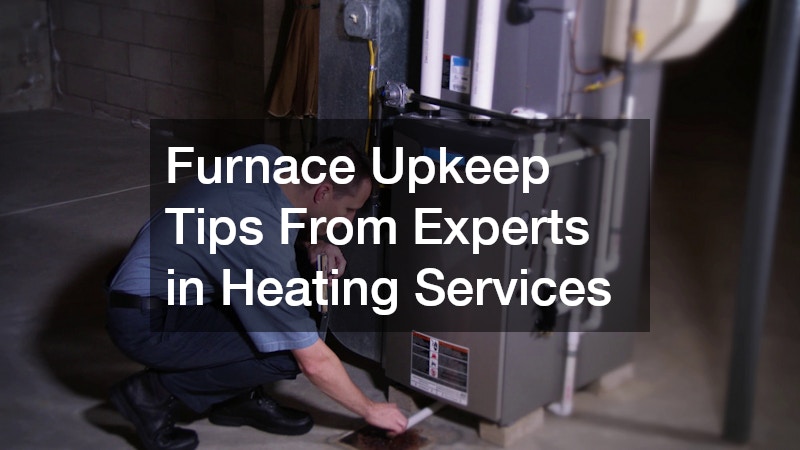
As HVAC professionals, we see firsthand how regular furnace maintenance protects comfort, safety, and long-term costs. A properly maintained furnace runs more efficiently, breaks down less often, and lasts longer. Homeowners who stay proactive with upkeep avoid many common heating problems and enjoy more reliable performance during colder months. Below, we share expert guidance to help you care for your furnace the right way, based on what we see every day while providing professional heating services.
How Often Should You Maintain Your Furnace?
Regular Maintenance Schedule
From our experience, annual furnace maintenance is essential for reliable operation. A yearly inspection allows us to identify small issues before they become expensive repairs.
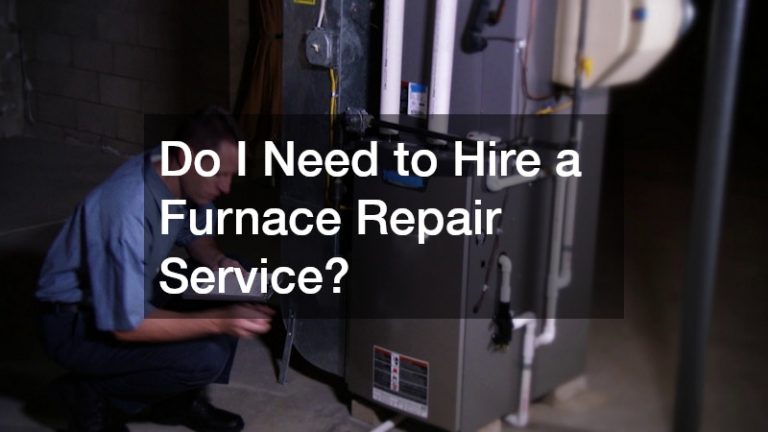
During service visits, we check critical components like the heat exchanger, blower motor, and ignition system to confirm everything is operating safely and efficiently.
Routine maintenance also includes cleaning internal components where dust and debris naturally build up. When airflow is restricted, your furnace has to work harder, which increases energy use and wear. Keeping the system clean helps maintain efficiency and reduces strain on internal parts.
We recommend scheduling furnace maintenance in early fall, before heating demand increases. This timing allows adjustments or replacements to be made before winter arrives and ensures dependable performance when temperatures drop.
Signs That Indicate Immediate Maintenance
Certain warning signs mean your furnace should be inspected right away. Sudden increases in energy bills often signal reduced efficiency. Unusual noises such as banging, rattling, or screeching are another common indicator of internal issues.
Uneven heating throughout the home frequently points to airflow problems or failing components. Dusty or burning odors may indicate combustion concerns that require professional attention. Frequent cycling can also suggest thermostat or airflow issues that should not be ignored.
Professional vs DIY Maintenance: What Should You Choose?
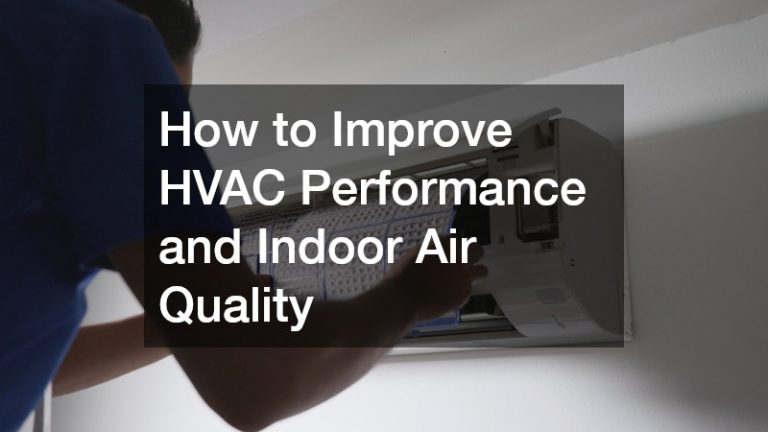
Homeowners often ask how much furnace maintenance they can safely handle themselves. Simple tasks like changing air filters and keeping vents clear support system performance and reduce strain between service visits.
However, full inspections and internal repairs should always be handled by certified technicians. Professional heating services include safety checks and diagnostics that go far beyond surface-level maintenance. Attempting complex repairs without proper training can result in injury or system damage.
What Are Common Furnace Problems and Solutions?
Lack of Heating
Thermostat issues or dirty filters often cause insufficient heat. Replacing clogged filters restores airflow and improves performance, especially during periods of heavy furnace use. Homeowners should also confirm that vents are open and unobstructed, as blocked airflow can reduce heat delivery. If the issue persists, it may involve the blower motor, ignition system, or a failing flame sensor, all of which require professional repair. Addressing heating problems early prevents uneven temperatures and avoids unnecessary strain on the furnace.
Strange Noises
Banging sounds can indicate delayed ignition, while rattling often points to loose panels or internal components. High-pitched squealing may signal lubrication issues, worn belts, or blower motor problems. Grinding or scraping noises should never be ignored, as they can indicate serious mechanical wear. Addressing unusual sounds promptly helps prevent further damage, reduces repair costs, and extends the overall life of the heating system.
Thermostat Issues
Thermostat problems may stem from poor calibration, dead batteries, or connectivity issues in smart models. Incorrect placement near drafts or heat sources can also cause inaccurate temperature readings. Simple fixes often restore function, but persistent issues may require professional diagnostics to evaluate wiring, system compatibility, or control board performance.
How Can You Improve Furnace Efficiency?
Upgrading to a High-Efficiency Furnace
High-efficiency furnaces deliver improved comfort while using less energy. Advanced features allow these systems to adjust output based on demand, reducing waste and wear. Installation should always be handled by technicians experienced in modern heating services to ensure proper performance.
Proper Insulation and Sealing
Even the best furnace struggles in a poorly insulated home. Sealing gaps and improving insulation reduces heat loss, lowers energy use, and helps your furnace operate more efficiently.
Using a Programmable Thermostat
Programmable thermostats align heating with daily routines, reducing unnecessary run time. Smart models offer additional control and help limit overuse, extending furnace lifespan while lowering heating costs.
From an HVAC expert’s perspective, regular furnace maintenance is one of the smartest investments a homeowner can make. Annual service, prompt repairs, and strategic upgrades all contribute to better performance, lower energy bills, and dependable comfort throughout the heating season.
About the Author