Heating and cooling equipment affects much more than the temperature displayed on a thermostat. It also influences airflow, humidity, ventilation, and how particles move throughout a home. When the system is operating as intended, rooms tend to feel more consistent and conditioned air can circulate effectively. When airflow becomes restricted or equipment is neglected, homeowners may notice uneven temperatures, excessive dust, unusual odors, or changes in indoor humidity.
Improving performance and indoor air quality rarely requires a single solution. The most effective approach is to look at the home as a connected system. Filters, ductwork, thermostats, mechanical equipment, exhaust fans, insulation, and household habits can all affect comfort and air conditions.
Some improvements are simple enough for homeowners to handle, such as replacing filters or keeping registers clear. Other concerns require professional testing or service. Knowing the difference can prevent unnecessary work while making it easier to identify problems before they become more disruptive.
The following steps provide a practical framework for improving heating and cooling performance while creating cleaner, more comfortable indoor conditions throughout the year.
Schedule Routine Tune-Ups Before Peak Heating and Cooling Seasons
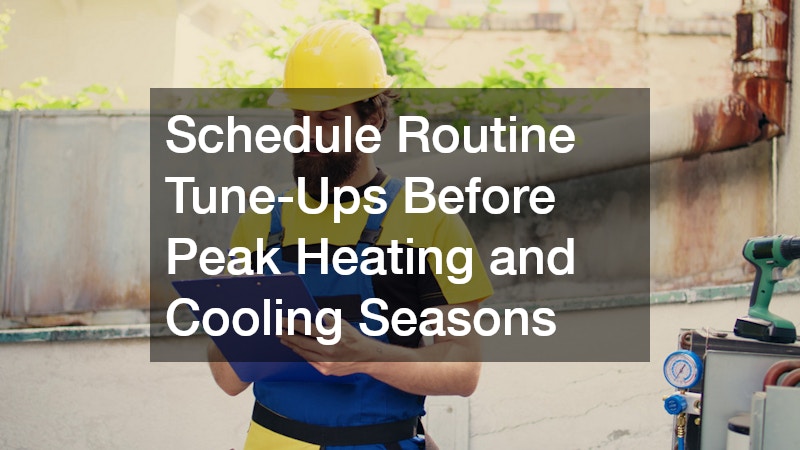
Preventive HVAC maintenance is most useful when it happens before equipment enters its busiest season. A cooling system that has sat relatively idle through winter, for example, may have developed issues that are not obvious until temperatures rise. Similarly, heating equipment should be checked before cold weather creates a daily demand for it.
During a professional tune-up, a technician can inspect components that homeowners generally cannot evaluate safely or accurately on their own. Depending on the system, this may include electrical connections, coils, condensate drains, blower components, controls, refrigerant-related components, and other mechanical parts. The goal is not simply to confirm that the equipment turns on. A useful inspection considers whether the system is operating correctly and whether developing problems need attention.
Homeowners still have an important role between appointments. Outdoor equipment should remain clear of leaves, weeds, grass clippings, and other debris. Indoor registers should stay open and unobstructed. Unusual sounds, odors, changes in airflow, and unexplained increases in operating time should be noted rather than ignored.
Professional HVAC services can then focus on concerns that require technical diagnosis. Keeping records can be particularly helpful. Homeowners can document service dates, filter replacements, repairs, and recurring symptoms. If the same problem appears several times, that history gives a technician useful information.
Timing matters as well. Scheduling inspections before extreme weather arrives provides more opportunity to address problems without waiting until the system is needed constantly. Preventive attention cannot eliminate every breakdown, but it can make system condition less of a mystery.
Replace Filters Regularly and Choose the Right Filtration Level
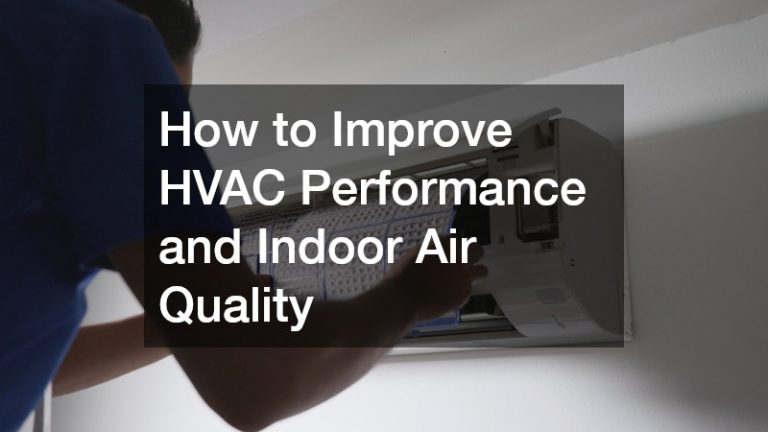
A filter has two closely related jobs: helping protect equipment from accumulating debris and capturing particles as air circulates through the system. When the filter becomes excessively dirty, airflow can become restricted. That can make it harder for the system to move conditioned air effectively.
Instead of assuming every filter lasts the same amount of time, homeowners should inspect it regularly. Replacement needs can vary depending on household size, pets, renovation work, outdoor air conditions, system use, and the type of filter installed. A household with several pets, for instance, may need more frequent changes than a lightly occupied home without animals.
Filter efficiency also deserves attention. MERV ratings indicate how effectively filters capture particles within specified size ranges, but selecting the highest rating available is not automatically the best choice. A filter that creates too much resistance for a particular system can interfere with airflow. Equipment specifications and professional guidance should be considered before making a major filtration upgrade.
HEPA air filters are commonly associated with high-efficiency particle capture, but traditional HEPA filtration is not compatible with every residential heating and cooling system. Some homes use separate air-cleaning equipment or specially designed filtration systems instead. Homeowners interested in higher-efficiency filtration should first determine what their equipment can accommodate.
The practical goal is balance: capture unwanted particles while preserving adequate airflow. Regular inspection and appropriate filter selection can support both equipment performance and indoor air cleanliness.
Keep Ductwork Clean, Sealed, and Free From Airflow Restrictions
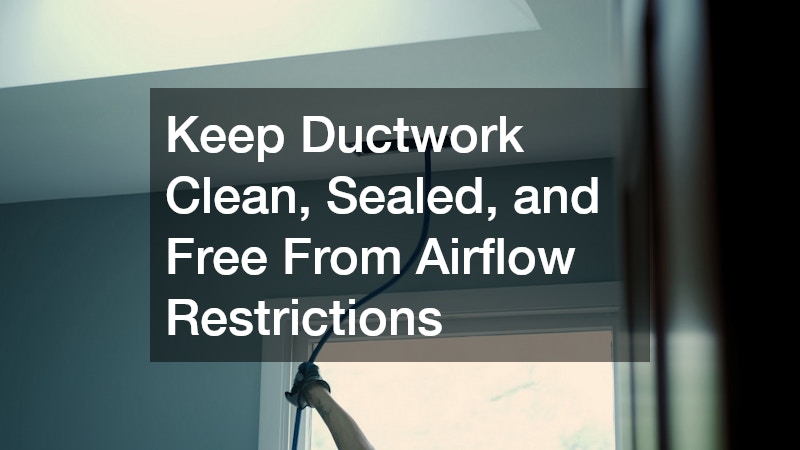
Ductwork serves as the distribution network for conditioned air, so problems within that network can affect comfort even when heating and cooling equipment is functioning properly. Loose connections, damaged ducts, significant leaks, crushed flexible ducts, or blocked registers can reduce the amount of conditioned air reaching certain rooms.
Homeowners can begin with visible areas. Supply and return registers should not be covered by furniture, rugs, curtains, storage boxes, or other objects. Accessible ductwork can be checked for obvious gaps or physical damage. Rooms with consistently weak airflow may also indicate a distribution issue that deserves further investigation.
Qualified air duct specialists can inspect areas that are difficult to access and determine whether poor airflow is related to leakage, duct design, physical damage, or another problem. This distinction matters because cleaning does not repair a disconnected duct or correct an improperly designed distribution system.
The same principle applies when considering ac duct cleaning services. Duct cleaning may be appropriate in certain situations, such as when there is substantial debris, contamination, or a specific condition that warrants cleaning. It should not automatically be treated as the solution to every dust or airflow complaint.
Homeowners should focus on identifying the source of the problem. Excessive dust, for example, could involve filtration, air leakage, renovation debris, household activities, or duct conditions. Addressing the underlying cause is more useful than choosing a service based solely on a symptom.
Properly maintained ductwork helps conditioned air reach its intended destination while reducing avoidable losses and airflow restrictions.
Use Thermostat Settings That Reduce Unnecessary System Strain
Thermostat habits can affect both comfort and how frequently heating and cooling equipment operates. Constantly making dramatic temperature adjustments does not necessarily make a home reach the desired temperature faster. Instead, a consistent schedule can reduce unnecessary changes while matching conditioning to household routines.
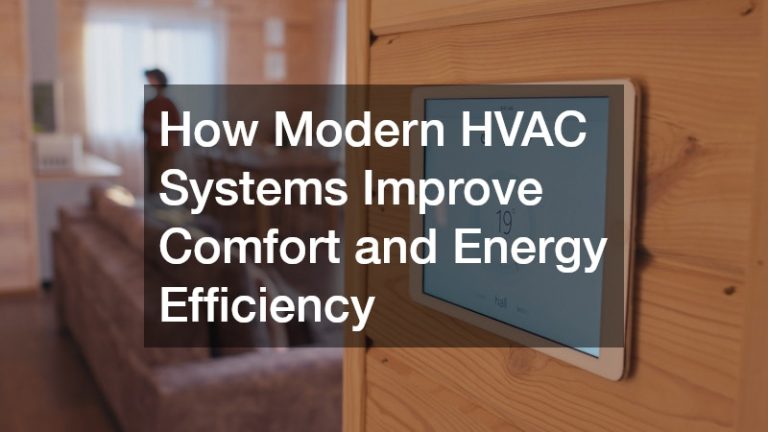
Programmable and smart thermostats make scheduling easier. Temperatures can be adjusted around sleeping hours, work schedules, and periods when the house is unoccupied. The appropriate settings depend on the household, climate, equipment, and comfort preferences, so homeowners should choose changes they can maintain rather than adopting extreme setbacks.
Thermostat location is equally important. A unit positioned in direct sunlight, near an exterior door, beside a heat-producing appliance, or in an unusually drafty location may sense conditions that do not represent the rest of the home. This can cause equipment to cycle based on misleading temperature readings.
A thermostat installation service can be useful when replacing an incompatible unit, relocating a poorly positioned thermostat, or addressing wiring and configuration concerns. Modern thermostats can have different equipment and wiring requirements, particularly with heat pumps, multi-stage systems, and other specialized configurations.
Homeowners should also pay attention to unexplained thermostat behavior. Blank displays, inaccurate readings, frequent cycling, or failure to follow programmed schedules may indicate a thermostat problem or an issue elsewhere in the system.
Address Cooling Problems Before They Affect the Entire System
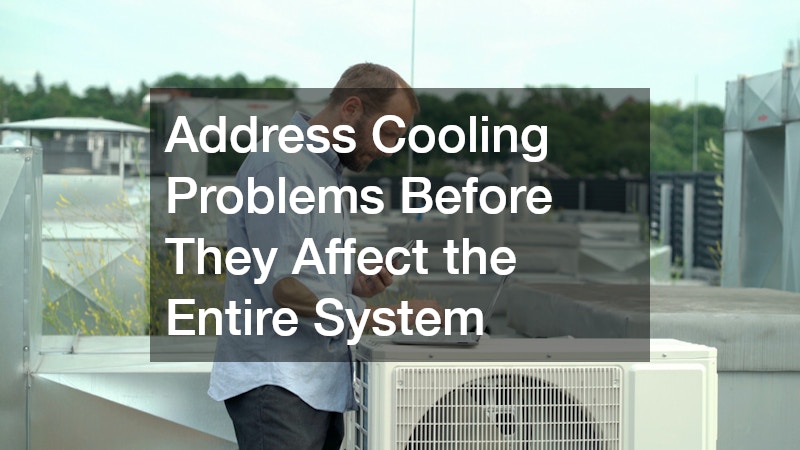
Cooling problems often provide warning signs before the system stops operating completely. Weak airflow, unusual noises, short cycling, warm air from registers, water near indoor equipment, and significant temperature differences between rooms are all reasons to investigate.
When air conditioning performance changes, homeowners can perform a few basic checks. The thermostat should be set correctly, the filter should not be heavily clogged, accessible registers should be open, and the electrical panel can be checked for a tripped breaker. Outdoor equipment can also be inspected visually for obvious debris or obstructions.
Repeatedly lowering the thermostat is not an effective response to a mechanical problem. If the system is already struggling, demanding a lower indoor temperature does not correct the underlying issue.
Professional air conditioner repair may be necessary when basic checks do not reveal an obvious cause. Cooling problems can originate from many areas, including electrical components, airflow restrictions, drainage problems, controls, or refrigeration-system issues. Because several symptoms can have multiple causes, accurate diagnosis is more useful than replacing parts based on assumptions.
Water around indoor equipment deserves particular attention. Condensation is a normal part of cooling operation, but it should drain as designed. Unexpected moisture can indicate a blocked drain or another condition requiring service.
Responding to changes early helps homeowners understand what is happening before a minor symptom becomes a larger comfort problem.
Control Indoor Humidity to Improve Comfort and Air Conditions
Temperature alone does not determine whether a home feels comfortable. Humidity can significantly influence how indoor conditions feel and can contribute to moisture-related concerns when levels remain excessively high.
Homeowners should consider using an indoor humidity monitor rather than relying entirely on perception. Small digital monitors can help reveal whether uncomfortable conditions correspond with unusually high or low relative humidity.
During humid weather, signs of excessive moisture can include condensation, persistent dampness, or musty odors. Bathrooms, kitchens, basements, and other moisture-prone areas deserve particular attention. Exhaust fans should be used when cooking or bathing, and obvious plumbing or building-envelope leaks should be addressed rather than attempting to manage their effects with mechanical equipment alone.
Dry indoor conditions can also create comfort problems during colder months. In some homes, humidification may be appropriate, but adding moisture without monitoring levels can create new issues.
Persistent humidity problems should be investigated rather than treated only at the surface. Causes may involve ventilation, equipment sizing, drainage, air leakage, or moisture entering through the building itself.
Managing humidity is therefore a whole-home task. Mechanical equipment can play a role, but moisture sources and ventilation practices are equally important.
Improve Ventilation Without Sacrificing Heating and Cooling Performance
Filtration and ventilation are related but different. A filter captures certain particles from air passing through it, while ventilation involves exchanging or exhausting indoor air. A home may therefore have effective filtration and still need better management of moisture, odors, or pollutants generated indoors.
Bathrooms and kitchens are practical places to start. Exhaust fans should vent outdoors rather than into an attic or another enclosed area. Homeowners should keep grilles clean and pay attention to fans that have become unusually noisy or appear to move little air.
Tightly constructed or extensively renovated homes may require a more deliberate fresh-air strategy. Improvements such as air sealing, new windows, and added insulation can reduce uncontrolled outdoor air leakage. While this can benefit heating and cooling performance, it may change how fresh air enters the building.
Heat recovery ventilators and energy recovery ventilators are options in some homes. These systems are designed to exchange indoor and outdoor air while transferring some heat, and in certain systems moisture, between the outgoing and incoming air streams.
Ventilation needs vary by building. Homeowners experiencing persistent odors, moisture, or stuffiness should consider the house as a whole rather than simply opening windows or installing stronger filters.
Know When Aging Equipment Needs More Than Another Repair
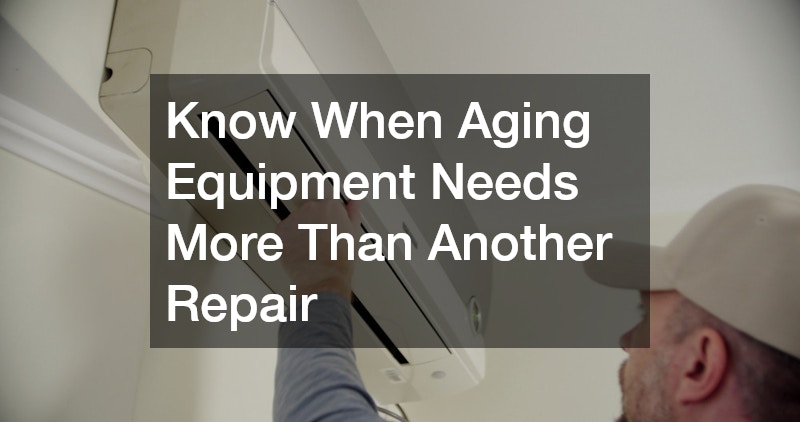
Every heating and cooling system eventually reaches a point where homeowners must decide whether continued repairs still make sense. Age is one consideration, but it should not be the only one. Repair frequency, comfort, equipment condition, noise, operating behavior, and the availability of replacement parts can all inform the decision.
When hvac installation becomes appropriate, equipment sizing should receive careful attention. A larger unit is not automatically better. Oversized equipment may cycle on and off frequently and can create comfort or humidity-management problems. Undersized equipment may struggle to maintain desired temperatures during demanding conditions.
A qualified HVAC contractor can evaluate factors such as the home’s size, insulation, windows, orientation, ductwork, climate, and existing equipment before recommending a replacement. A detailed assessment is more useful than selecting equipment solely according to the capacity of the old unit.
Ductwork should be part of the conversation as well. Installing new equipment without evaluating major distribution problems can leave homeowners with many of the same comfort complaints they had before replacement.
Homeowners can also ask how proposed equipment will interact with thermostats, filtration, ventilation, and existing components. Understanding these relationships helps avoid treating replacement as an isolated purchase.
When comparing professionals, homeowners should look for appropriate licensing where required, clear written scopes of work, equipment-specific experience, and explanations of how sizing decisions were made. A replacement project is an opportunity to correct existing comfort or airflow problems rather than simply installing a newer version of the same setup.
Build Better Comfort Through Consistent Home Care
Improving indoor comfort and air cleanliness is rarely about finding one product that solves everything. The strongest results come from understanding how heating and cooling equipment interacts with airflow, filtration, moisture, ventilation, ductwork, and the building itself.
Homeowners can begin with straightforward habits. Filters should be checked consistently, registers kept unobstructed, outdoor equipment kept clear, and unusual sounds or performance changes investigated. Humidity and ventilation also deserve attention, particularly when a home develops persistent odors, condensation, or uncomfortable room-to-room differences.
Professional evaluation becomes valuable when problems persist, equipment requires technical testing, or changes to major components are being considered. Rather than waiting for complete equipment failure, homeowners can use routine observations and preventive care to identify developing concerns earlier.
Every property is different. Climate, construction, household size, equipment design, pets, renovation history, and daily routines all influence indoor conditions. A whole-home approach accounts for those differences and focuses on practical improvements that can be maintained over time.
With consistent attention to airflow, equipment condition, moisture, ventilation, and everyday system use, homeowners can create indoor spaces that remain more comfortable and better managed throughout the changing seasons.
About the Author