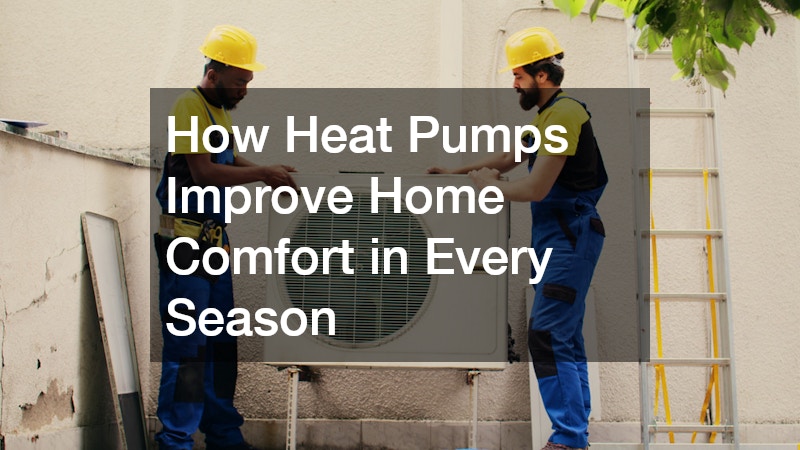
Maintaining a comfortable indoor environment throughout the year can be challenging, especially in regions that experience both hot summers and cold winters. Homeowners want a heating and cooling solution that provides reliable performance without requiring separate systems for each season. Modern HVAC technology has made that possible by offering equipment capable of efficiently handling year-round temperature control.
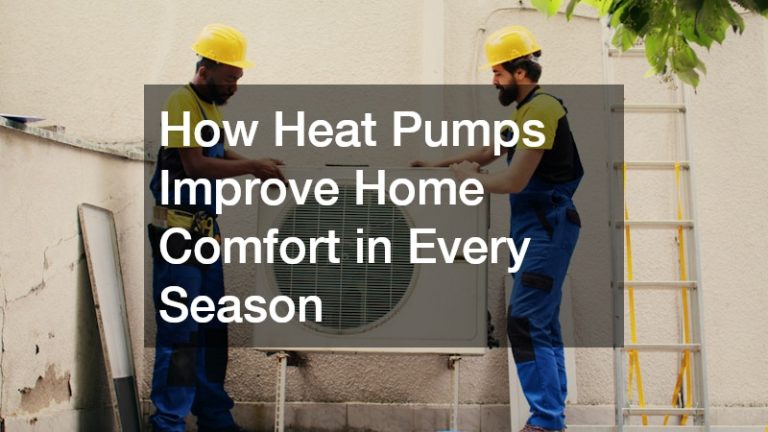
A heat pump is one of the most versatile options available because it can both heat and cool a home using the same system. Instead of generating heat through combustion, it transfers heat from one location to another, making it an energy-efficient solution for maintaining indoor comfort regardless of the season.
A Single System for Heating and Cooling
One of the biggest advantages of a heat pump is its ability to provide both heating and air conditioning. During colder months, it extracts heat from the outdoor air and moves it indoors. During warmer months, the process reverses, removing heat from inside the home and releasing it outdoors.
This dual functionality eliminates the need for separate heating and cooling equipment in many homes. Rather than maintaining two independent systems, homeowners can rely on a single unit to handle indoor climate control throughout the year. This simplified approach often reduces maintenance requirements while making it easier to manage overall HVAC performance.
Consistent Indoor Temperatures
Comfort isn’t just about reaching a desired temperature—it’s also about maintaining it consistently. Frequent temperature swings can make a home feel uncomfortable, even when the thermostat is set correctly.
Heat pumps are designed to provide gradual, steady heating and cooling rather than the dramatic on-and-off cycles associated with some traditional systems. This consistent operation helps maintain even temperatures from room to room while reducing cold spots during winter and excessive cooling during summer.
Many modern systems also include variable-speed technology, allowing them to adjust output based on the home’s changing needs. Instead of constantly operating at full capacity, the equipment can run at lower speeds when less heating or cooling is required, creating a more stable indoor environment.
Improved Energy Efficiency
Energy efficiency is one of the primary reasons many homeowners consider installing a heat pump. Because the system transfers existing heat instead of creating it through fuel combustion, it typically requires less energy to operate under many conditions.
During mild weather, this efficiency becomes especially noticeable. Rather than consuming large amounts of energy to generate heat, the system simply moves available thermal energy from outdoors to indoors. In cooling mode, it functions similarly to a high-efficiency air conditioner by removing unwanted indoor heat.
Improved efficiency can also reduce strain on HVAC equipment over time, contributing to reliable operation when the system receives routine maintenance and professional servicing.
Better Indoor Air Circulation
Comfort extends beyond temperature alone. Indoor air quality also plays an important role in creating a pleasant living environment.
As the system circulates air throughout the home, it continuously moves air through filters designed to capture dust, pollen, pet dander, and other airborne particles. Regular filter replacement helps maintain airflow while supporting cleaner indoor air.
Many homeowners choose to pair their HVAC system with additional indoor air quality products such as whole-home air purifiers, humidifiers, or dehumidifiers. Together, these components help create a healthier and more comfortable indoor environment throughout every season.
Quiet Day-to-Day Operation
Modern HVAC equipment has become significantly quieter than many older heating and cooling systems. Advances in compressor technology, insulated cabinets, and variable-speed motors contribute to reduced operating noise both indoors and outdoors.
This quieter performance is especially noticeable during mild weather when the system can operate at lower capacities instead of cycling on and off at maximum output. The result is a more peaceful indoor environment with fewer interruptions during daily activities, conversations, or sleep.
Proper installation also contributes to quiet operation by ensuring equipment is correctly sized and balanced for the home’s specific heating and cooling requirements.
Reliable Performance Throughout the Year
Every season presents unique demands for home comfort. Winter requires dependable heating, while summer places heavy demands on cooling equipment. Spring and fall often bring rapidly changing temperatures that require HVAC systems to adjust frequently.
A properly maintained heat pump can respond effectively to these changing conditions by automatically switching between heating and cooling modes as needed. Many systems also integrate with programmable or smart thermostats, allowing homeowners to create customized temperature schedules that match daily routines.
Routine maintenance—including cleaning coils, checking refrigerant levels, inspecting electrical components, and replacing air filters—helps ensure the equipment continues operating efficiently regardless of the season.
Long-Term Value for Homeowners
Installing quality HVAC equipment is a long-term investment in both comfort and property value. While every home has different heating and cooling needs, many homeowners appreciate the convenience of relying on a single system for year-round climate control.
Professional installation is critical to achieving optimal performance. Proper sizing ensures the equipment can efficiently handle the home’s heating and cooling demands without excessive energy use or unnecessary wear. An undersized system may struggle to maintain comfort, while an oversized system may cycle too frequently, reducing efficiency.
Working with experienced HVAC professionals also helps homeowners understand available equipment options, maintenance requirements, and operating features before making a purchasing decision.
Year-round indoor comfort depends on having a heating and cooling system that performs reliably in changing weather conditions. By providing both heating and air conditioning in one unit, maintaining consistent temperatures, improving energy efficiency, supporting better air circulation, and operating quietly, a heat pump offers a practical solution for many households.
Regular maintenance and professional installation help maximize performance while extending equipment life.

About the Author