Modern home comfort depends on more than simply warming rooms in winter and cooling them in summer. Today’s systems are designed to regulate temperature more evenly, improve indoor air quality, reduce wasted energy, and respond more precisely to the way a household actually uses different spaces. When equipment is properly selected, installed, and maintained, homeowners can enjoy steadier comfort while avoiding the excessive energy use often associated with older systems.
Many homes still rely on aging equipment that cycles frequently, struggles to maintain consistent temperatures, or operates at lower efficiency than newer models. These issues may appear gradually, making them easy to overlook. Rooms may become too warm or too cold, utility use may rise, and the system may need more frequent repairs. Replacing or upgrading equipment can improve performance, but the best results come from evaluating the entire home rather than focusing on one unit alone.
Insulation, ductwork, air leakage, humidity, equipment sizing, and household habits all influence how effectively a comfort system performs. A highly efficient unit can still waste energy if conditioned air escapes through gaps or if airflow is restricted. Likewise, a properly sealed home may remain uncomfortable if the equipment is too large, too small, or poorly maintained. Understanding how these factors work together helps homeowners make improvements that deliver lasting benefits.
Evaluate Your Home’s Needs Before Upgrading Equipment
The first step in improving indoor comfort is determining what the home actually requires. Replacing an old unit with equipment of the same capacity may seem convenient, but it can repeat existing problems if the previous system was incorrectly sized. A professional evaluation should consider the square footage, ceiling height, insulation level, window placement, air leakage, duct condition, climate, and number of occupants. These factors affect how much energy is needed to maintain comfortable conditions.
An experienced HVAC contractor can perform load calculations to estimate the heating and cooling demands of the home. This process is more reliable than selecting equipment based only on the size of the existing unit. Oversized systems may reach the thermostat setting quickly but shut down before properly circulating air or controlling humidity. Undersized equipment may run continuously and still fail to maintain a stable temperature during extreme weather.
Homeowners should also review the condition of the duct system. Leaks, crushed sections, poor connections, and inadequate insulation can reduce performance significantly. Air escaping into an attic, crawl space, or wall cavity never reaches the living area, forcing the system to work longer. Uneven airflow may also make certain rooms uncomfortable even when the central equipment is functioning correctly.
Professional HVAC services can include energy evaluations, airflow testing, equipment inspections, duct assessments, and recommendations for improvements. A thorough evaluation helps homeowners prioritize projects instead of replacing equipment unnecessarily. In some cases, sealing ductwork, improving insulation, or correcting airflow may provide noticeable comfort gains without a complete system replacement.
Budget planning should include more than the purchase price of new equipment. Homeowners should compare expected energy use, warranty coverage, maintenance requirements, repair availability, and anticipated service life. The most expensive option is not always the most suitable, and the least expensive model may cost more to operate over time. A balanced decision should reflect both current needs and long-term performance.
Choose Heating Equipment That Matches Your Home

Selecting the right heating system requires consideration of the climate, home layout, available fuel sources, and existing infrastructure. Different systems deliver warmth in different ways. Some circulate heated air through ducts, while others use water, refrigerant, or electric resistance. The best choice should provide consistent comfort without using more energy than necessary.
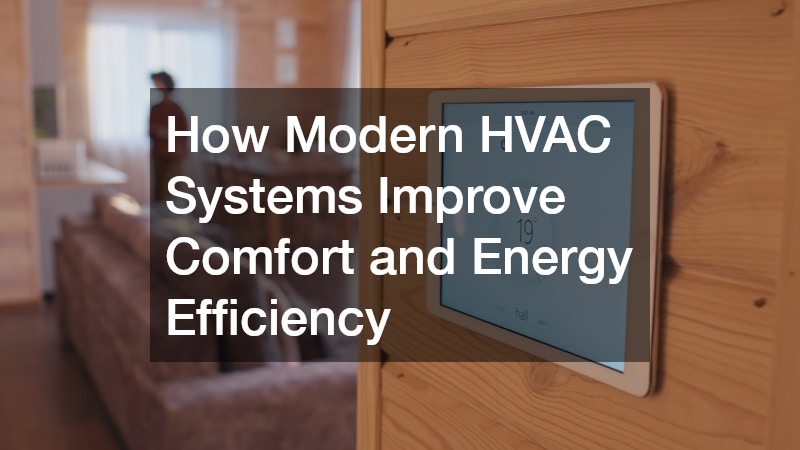
Modern heating equipment often includes variable-speed motors, staged burners, and advanced controls. These features allow the system to adjust output based on current demand instead of operating at full power every time it turns on. Lower-speed operation can reduce temperature swings, improve air circulation, and make the system quieter. Longer, steadier cycles may also support better filtration and humidity control.
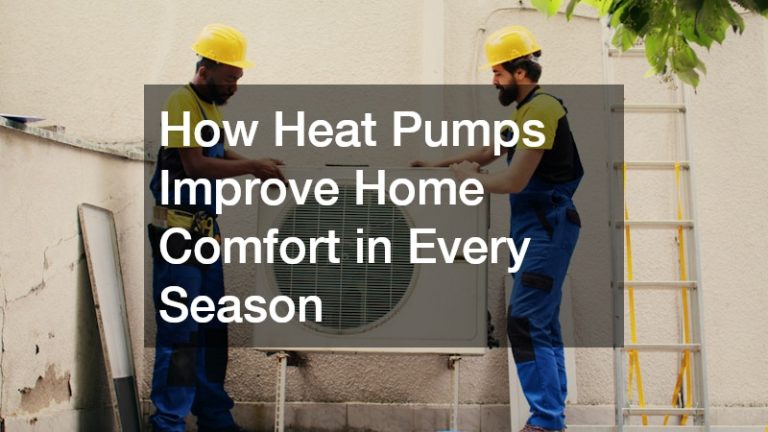
A heat pump can provide both warming and cooling by transferring heat rather than generating it through combustion. During colder months, it extracts available heat from outdoor air and moves it indoors. In warmer weather, the process reverses. Modern cold-climate models are capable of operating at lower outdoor temperatures than older designs, making them practical in more regions.
System sizing remains essential. A unit that is too large may cycle rapidly and wear components prematurely, while one that is too small may depend heavily on backup heat. The home’s insulation and air-sealing condition should be addressed before final equipment selection because improvements can reduce the required capacity.
Homeowners should also compare efficiency ratings and operating characteristics. Some systems perform especially well in moderate climates, while others may be better suited to long periods of severe cold. Fuel availability and local energy rates can also influence long-term costs. A careful comparison should include expected annual use rather than focusing only on the advertised rating.
Comfort preferences matter as well. Some households prefer the rapid response of forced air, while others appreciate the steady warmth of radiant systems. Noise level, zoning capability, air filtration, and compatibility with existing ducts should all influence the final decision.
Keep Existing Heating Systems Running Efficiently
Even efficient equipment can waste energy when maintenance is neglected. Dust, soot, restricted airflow, worn components, and incorrect controls can force a system to operate longer than necessary. Regular inspections help identify small problems before they lead to breakdowns or significant efficiency losses.
Annual furnace service typically includes checking the burner, heat exchanger, blower motor, electrical connections, safety controls, and thermostat operation. The technician may also measure temperature changes and airflow to confirm that the unit is operating within the manufacturer’s specifications. A damaged heat exchanger or combustion problem can create safety concerns, making professional inspection especially important for fuel-burning equipment.
Filters should be checked regularly and replaced according to the manufacturer’s guidance and household conditions. Homes with pets, construction dust, smokers, or family members with allergies may require more frequent replacement. A clogged filter reduces airflow, increases strain on the blower, and may cause the system to overheat or shut down.
Homes that rely on heating oil should pay attention to fuel storage and burner condition. Sediment, water, or debris in the tank can interfere with proper combustion. Filters, nozzles, and fuel lines may require routine attention to maintain reliable operation. Keeping the tank filled appropriately can also reduce the risk of moisture buildup caused by condensation.
Homeowners can support system performance by keeping vents open, avoiding blocked returns, and maintaining clear space around equipment. Closing too many registers does not necessarily save energy and may disrupt airflow. Proper maintenance works best when combined with everyday habits that allow the system to operate as designed.
Improve Cooling Performance With Modern System Upgrades
Cooling systems lose efficiency as components wear, refrigerant problems develop, and coils become dirty. Older equipment may also use more electricity than newer models designed to meet current efficiency standards. Homeowners should consider replacement when the system requires frequent repairs, cannot maintain comfort, or causes energy use to rise despite proper maintenance.
Modern air conditioning equipment may include variable-speed compressors, improved coil designs, quieter fans, and advanced controls. Instead of running only at full capacity, variable systems can reduce output during milder conditions. This allows longer cycles that maintain steadier temperatures and remove more indoor moisture.
Proper sizing is especially important in humid climates. An oversized unit may cool the air quickly but shut off before removing enough moisture, leaving the home feeling clammy. A correctly sized system runs long enough to improve both temperature and humidity. Load calculations should account for insulation, windows, orientation, occupancy, and air leakage.
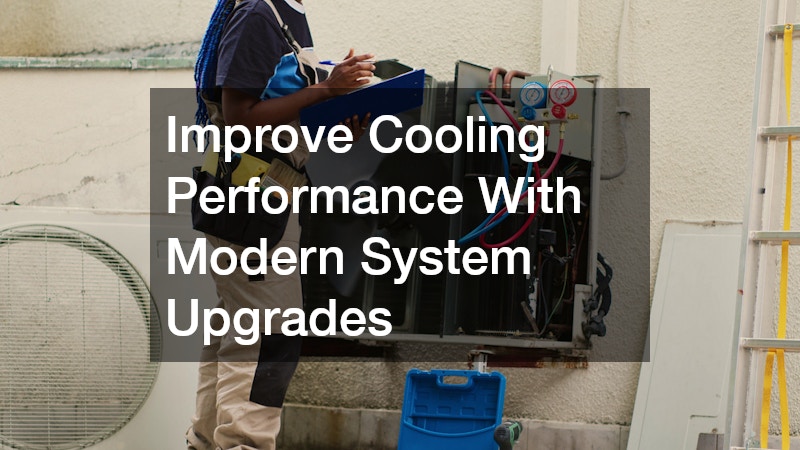
The quality of AC installation has a major effect on performance. Incorrect refrigerant charge, poor airflow, leaking ducts, undersized electrical service, or improper drainage can reduce efficiency and shorten equipment life. Even high-rated equipment may perform poorly when installation standards are not followed.
Homeowners should ask how the installer will verify airflow, refrigerant levels, drainage, and thermostat operation. The contractor should also explain equipment registration, warranty terms, filter requirements, and recommended maintenance. Clear documentation helps protect the investment and provides a baseline for future service.
Cooling upgrades should be coordinated with improvements to the building envelope. Sealing gaps around windows, doors, attic penetrations, and duct connections can reduce the cooling load. Adding insulation and shading sun-exposed windows may further improve performance. These measures allow the equipment to maintain comfort with less effort.
Add Flexible Comfort to Hard-to-Condition Spaces
Some areas are difficult to serve with a traditional central system. Finished attics, additions, converted garages, workshops, and older homes without ductwork may have persistent comfort problems. Extending existing ducts is not always practical, especially when space is limited or the central system lacks enough capacity.
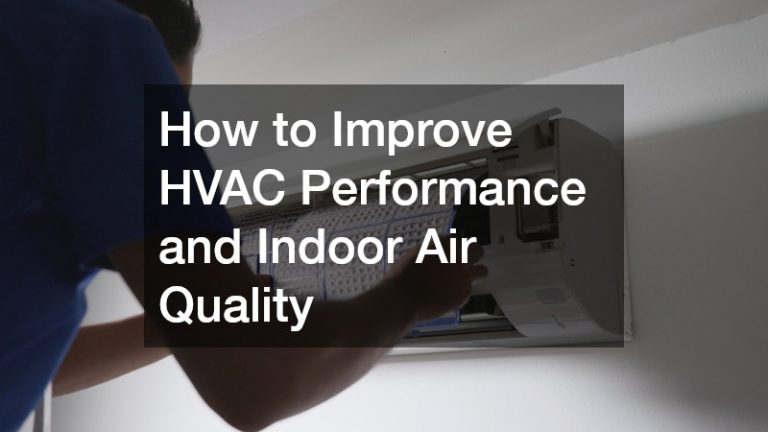
A mini split AC installation can provide targeted comfort without extensive ductwork. These systems typically include an outdoor unit connected to one or more indoor air handlers. Each indoor unit serves a specific room or zone, allowing occupants to adjust temperatures independently.
Zoning can reduce waste because unused rooms do not need to be conditioned at the same level as occupied spaces. A home office can remain comfortable during the day without changing the temperature throughout the entire house. Guest rooms can be adjusted only when needed, and additions can receive dedicated control without disrupting the main system.
Ductless systems can also improve comfort in homes with uneven temperatures. Upper floors often become warmer because heat rises and roof exposure increases cooling demand. A separate zone can address this imbalance more directly than attempting to force more air through existing ducts.
Placement of the indoor unit matters. It should have a clear path for air distribution and should not be blocked by furniture, curtains, or architectural features. The outdoor unit requires proper clearance and drainage. Refrigerant lines and condensate piping must also be installed carefully to avoid leaks or moisture problems.
Maintenance includes cleaning filters, inspecting coils, checking drains, and ensuring that outdoor components remain clear of debris. Because the indoor units are located within occupied rooms, filter cleaning may be more frequent than with a central system. Consistent care helps preserve efficiency and prevent odors or airflow restrictions.
Address Problems Early to Extend Equipment Life
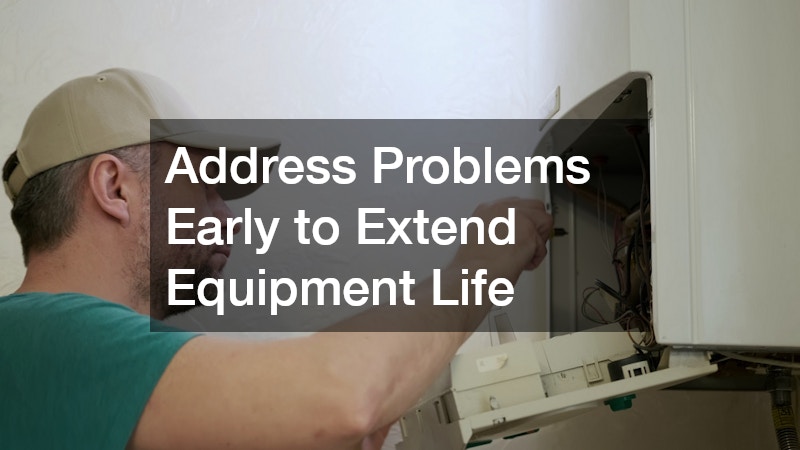
Small mechanical issues often become more expensive when they are ignored. A minor leak, unusual sound, or pressure problem can place stress on other components. Early diagnosis helps prevent secondary damage and gives homeowners more time to compare repair and replacement options.
Boilers may show warning signs such as uneven heat, water leaks, pressure changes, banging noises, slow warming, or repeated shutdowns. Professional boiler repair services can identify whether the issue involves a circulator, valve, control, expansion tank, burner, heat exchanger, or another component. Because boilers involve water, pressure, fuel, and electrical controls, repairs should be handled carefully.
Prompt service can protect surrounding areas as well as the equipment. A small water leak may damage flooring, walls, insulation, or ceilings if it continues unnoticed. Combustion problems can create soot, odors, or safety concerns. Homeowners should not assume that unusual sounds or pressure changes are normal simply because the system continues producing heat.
Repair decisions should consider the age of the equipment, availability of replacement parts, repair history, and overall efficiency. A newer system with an isolated component failure may be worth repairing. An older unit with repeated problems may be approaching the end of its practical service life.
Maintenance records are useful when evaluating options. They show how often repairs have occurred, which parts have been replaced, and whether performance has declined over time. Detailed records may also support warranty claims and help technicians diagnose recurring issues.
Preventive inspections can identify worn parts, corrosion, leaks, and control problems before the system fails during severe weather. Scheduling service before peak seasons may also provide more flexibility than waiting for an emergency. A planned repair or replacement is usually easier to manage than a sudden breakdown.
Building Lasting Comfort Through Smarter Home Performance

Modern comfort systems can provide meaningful improvements in temperature control, humidity, air circulation, and energy use. The strongest results come from choosing equipment that matches the home, correcting airflow and insulation problems, and maintaining each component consistently. Upgrading technology without addressing the surrounding conditions may limit the benefits.
Homeowners should view comfort as a whole-house issue rather than the responsibility of a single appliance. Windows, doors, ducts, insulation, controls, and daily habits all affect how hard the equipment must work. Improving these areas can reduce strain, support more even temperatures, and extend equipment life.
Careful planning also helps avoid unnecessary spending. A professional evaluation may reveal that targeted repairs, air sealing, or control upgrades can improve performance without immediate replacement. When new equipment is appropriate, proper sizing and installation are essential to achieving the expected efficiency.
By combining reliable equipment with preventive maintenance and practical energy-saving habits, homeowners can create a more comfortable indoor environment throughout the year. The result is a home that responds more effectively to changing weather, uses energy more responsibly, and provides dependable performance over the long term.
About the Author