Why Energy Efficiency Matters More Than Ever
Energy efficiency is no longer just a bonus for homeowners—it has become an essential part of managing household expenses and maintaining year-round comfort. With heating and cooling costs continuing to rise, many homeowners are looking for practical ways to reduce energy usage without sacrificing indoor comfort. The good news is that improving efficiency often starts with better maintenance, smarter upgrades, and professional guidance.
Heating and cooling systems work hard every day to maintain comfortable indoor temperatures. Over time, wear and tear, airflow restrictions, outdated equipment, and neglected maintenance can force systems to consume far more energy than necessary. Even small inefficiencies can lead to higher utility bills, uneven temperatures, and premature equipment failure.
Professional inspections, routine maintenance, and modern system upgrades can dramatically improve the way a home uses energy. From improving airflow to installing advanced thermostats and replacing outdated equipment, homeowners have several opportunities to lower monthly costs while increasing system performance.
Schedule Seasonal Tune-Ups Before Problems Increase Utility Bills
Routine maintenance is one of the most effective ways to improve energy efficiency in any home. Professional HVAC services help identify small problems before they turn into expensive breakdowns or major energy drains. During seasonal inspections, technicians evaluate system performance, clean important components, and ensure every part is operating correctly.
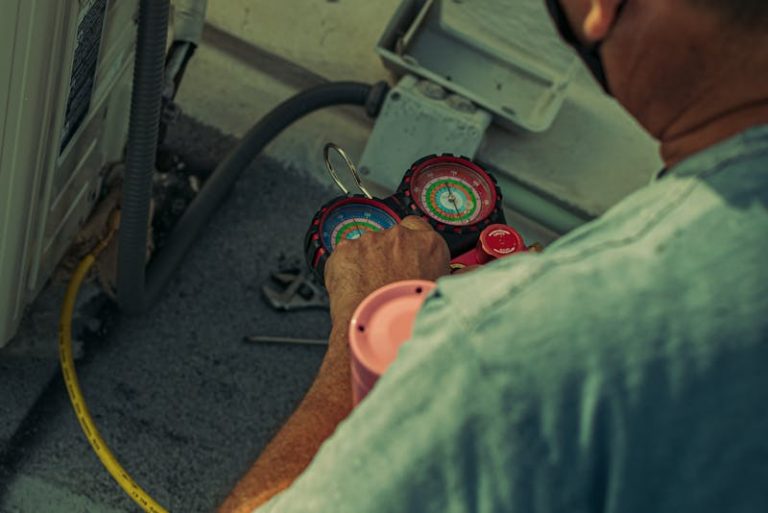
A qualified HVAC contractor will typically inspect air filters, refrigerant levels, blower motors, electrical connections, coils, and thermostat settings. Dirty coils and clogged filters are common causes of efficiency loss because they force systems to work harder to move air throughout the home. Even minor airflow restrictions can increase energy consumption significantly over time.
Homeowners should schedule inspections before peak heating and cooling seasons begin. Preparing systems ahead of summer and winter allows technicians to catch worn parts early and improve overall performance before extreme temperatures arrive. Preventive maintenance also reduces the risk of emergency repairs during the hottest or coldest months of the year.
Consistent tune-ups can extend equipment lifespan as well. Systems that receive routine care experience less strain and operate more efficiently over time. This means homeowners can avoid premature replacements while keeping monthly utility bills under control.
Upgrade Older Cooling Equipment for Better Long-Term Savings
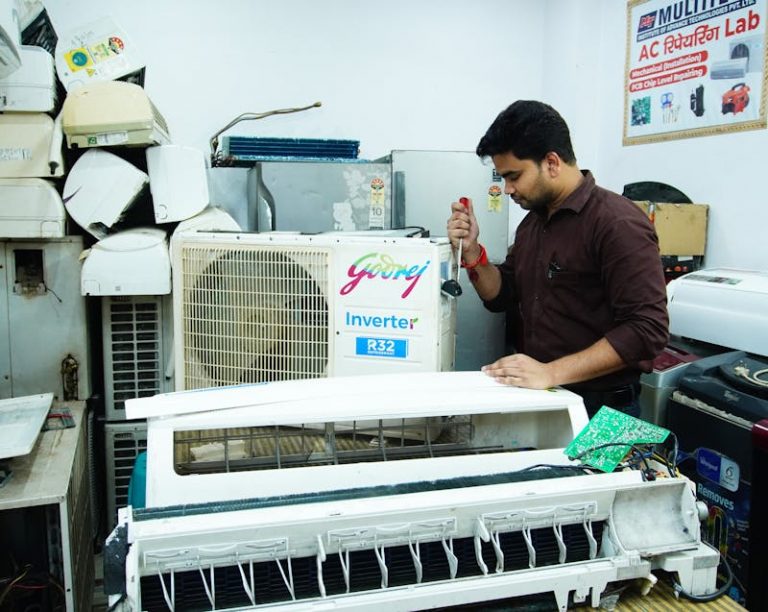
Many homeowners continue using outdated cooling systems long after efficiency begins declining. Older equipment often consumes significantly more energy than modern systems, especially if the unit has not been maintained properly. Professional air conditioning services can help homeowners determine whether repairing or replacing equipment is the most cost-effective option.
One of the biggest improvements homeowners can make is investing in modern AC installation. Newer systems are designed with advanced energy-saving technology that improves temperature control and reduces electricity usage. High-efficiency units with better SEER ratings use less energy while delivering stronger and more consistent cooling performance.
Proper system sizing is another critical factor. Oversized units cycle on and off too frequently, while undersized systems run constantly trying to keep up with demand. Both situations waste energy and increase wear on equipment. Professional technicians calculate home size, insulation quality, airflow, and layout before recommending replacement options.
Modern cooling systems also work better with programmable and smart thermostats. Homeowners can create schedules that reduce unnecessary cooling when the house is empty and automatically adjust temperatures throughout the day. These upgrades may seem simple, but they can produce noticeable monthly savings over time.
Address Small Cooling Issues Before They Become Major Repairs
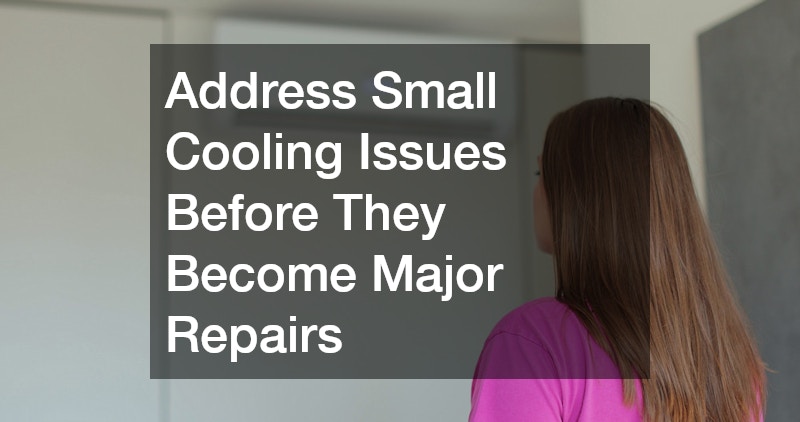
Small cooling problems often develop gradually, making them easy for homeowners to ignore. Unfortunately, even minor issues can reduce efficiency dramatically if left unresolved. Timely AC repair helps systems maintain proper performance while preventing unnecessary energy waste.
One common issue is short cycling, which occurs when the system turns on and off repeatedly. This behavior often indicates airflow restrictions, thermostat problems, dirty coils, or low refrigerant levels. Short cycling forces systems to consume extra energy while placing additional strain on important components.
Electrical issues can also impact efficiency more than many homeowners realize. Professional electrical service inspections help identify loose wiring, failing capacitors, damaged breakers, or overloaded circuits that may affect HVAC performance. Faulty electrical connections can cause inconsistent operation, reduce airflow, and even create safety risks.
Homeowners should also pay attention to unusual sounds, rising utility bills, inconsistent temperatures, and weak airflow. These warning signs often indicate developing problems that reduce efficiency long before a complete system breakdown occurs.
Taking care of repairs early is almost always less expensive than waiting for larger failures. A system that operates smoothly uses less energy, provides better comfort, and experiences fewer costly breakdowns throughout the year.
Improve Winter Heating Performance With Preventive Care
Heating systems require just as much maintenance as cooling equipment to remain energy efficient. Neglected furnaces and heat pumps often consume excessive energy because they must work harder to maintain indoor temperatures. Scheduling professional heating repair services before winter arrives helps systems operate more reliably during colder months.
A trusted heating contractor can inspect burners, heat exchangers, ignition systems, airflow components, and safety controls to ensure everything functions correctly. Dirty burners and worn parts can reduce heating output while increasing fuel consumption.
Airflow problems are especially common during winter. Blocked vents, dirty filters, and leaking ductwork make heating systems run longer than necessary to achieve desired temperatures. Professional inspections help identify these hidden efficiency problems before they drive up energy costs.
Homeowners can also improve efficiency by adjusting thermostat settings strategically. Lowering temperatures slightly while sleeping or away from home reduces strain on the system and lowers monthly utility bills. Combining smart thermostat usage with routine maintenance creates substantial long-term savings.
Preventive care also helps improve indoor comfort. Properly maintained systems heat homes more evenly, reduce temperature fluctuations, and improve airflow throughout the property.
Seal Air Leaks and Improve Indoor Airflow
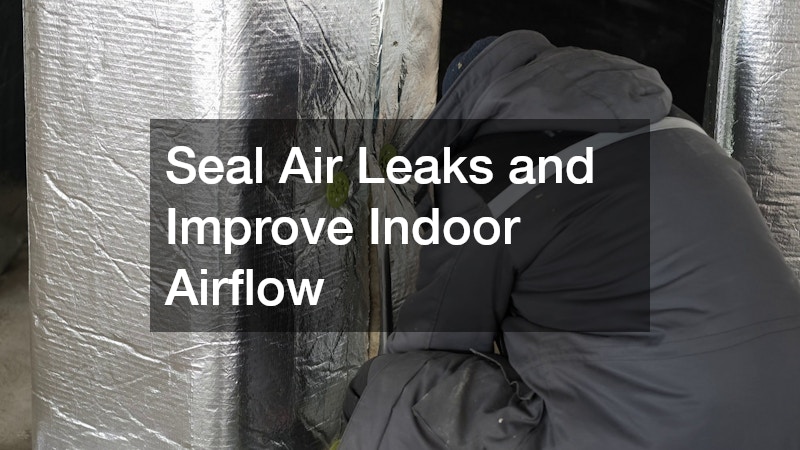
Many homes lose a surprising amount of energy through leaking ducts and poor airflow. Even the most efficient equipment cannot perform properly if conditioned air escapes before reaching living spaces. Professional HVAC services often include airflow evaluations that identify hidden inefficiencies throughout the home.
Leaking ducts force systems to run longer because heated or cooled air escapes into attics, crawl spaces, or wall cavities. Sealing ductwork improves efficiency by directing conditioned air where it is actually needed. Balanced airflow also helps maintain more consistent indoor temperatures.
A qualified HVAC contractor may also recommend insulation improvements, vent adjustments, or zoning systems that improve overall performance. Some rooms naturally receive more airflow than others, creating uneven temperatures that force systems to overwork.
Simple maintenance habits can also improve airflow significantly. Replacing air filters regularly, keeping vents unobstructed, and cleaning around indoor units all contribute to better system performance.
Proper airflow reduces strain on equipment and allows systems to operate more efficiently throughout the year. These improvements not only lower energy usage but also help create a more comfortable indoor environment for homeowners and their families.
Use Smart Technology to Reduce Everyday Energy Waste
Technology has transformed the way homeowners manage energy usage. Smart thermostats and automated controls allow households to reduce waste without sacrificing comfort. Many modern systems installed through air conditioning services now include advanced features designed specifically for energy efficiency.
Smart thermostats learn household schedules and automatically adjust temperatures based on occupancy patterns. Instead of running continuously throughout the day, systems operate only when necessary. This helps reduce energy consumption while maintaining consistent indoor comfort.
Scheduling professional heating repair inspections alongside thermostat upgrades ensures the entire system works together efficiently. Even the best smart technology cannot overcome problems caused by neglected equipment or airflow restrictions.
Remote monitoring features are another major advantage. Homeowners can adjust settings from smartphones, monitor energy usage, and receive maintenance alerts before small issues become larger problems. These tools provide greater control over monthly utility expenses.
Humidity control also plays an important role in efficiency. Balanced humidity levels help homes feel cooler during summer and warmer during winter, reducing the need for excessive heating or cooling adjustments.
Combining smart technology with routine maintenance creates one of the most effective strategies for improving overall home efficiency.
Replace Outdated Water Heating Equipment
Heating water accounts for a significant portion of household energy usage. Older systems often consume more energy than necessary due to sediment buildup, worn components, or outdated technology. Upgrading aging water heaters can lead to noticeable reductions in monthly utility costs.
Modern units are designed with improved insulation, faster recovery times, and better energy-saving features. Tankless systems, for example, heat water only when needed instead of continuously maintaining a large storage tank. This approach reduces standby energy loss and improves efficiency.
Homeowners should watch for warning signs that indicate the need for water heater replacement. Rust-colored water, inconsistent temperatures, unusual noises, leaks, and rising utility bills often suggest declining performance. Waiting too long to replace failing equipment can increase both energy costs and the risk of water damage.
Routine maintenance also improves performance and extends equipment lifespan. Flushing sediment buildup, inspecting valves, and checking heating elements help systems operate more efficiently over time.
Energy-efficient water heating solutions not only lower utility bills but also improve daily convenience by delivering more reliable hot water performance throughout the home.
Improve Indoor Air Quality for Better System Efficiency
Indoor air quality has a direct impact on HVAC performance. Dirty filters, excessive dust, poor ventilation, and high humidity levels force systems to work harder than necessary. Professional air conditioning services often include airflow and air quality evaluations that help improve efficiency throughout the home.
Clogged filters restrict airflow and increase strain on heating and cooling equipment. Replacing filters regularly is one of the simplest yet most effective ways to improve system performance. Homes with pets, allergies, or higher dust levels may require more frequent filter changes.
Humidity control also affects efficiency significantly. Excess moisture makes homes feel warmer during summer, causing cooling systems to run longer. During winter, dry indoor air can make temperatures feel colder than they actually are. Balancing humidity levels reduces unnecessary system usage.
Professional Heating repair inspections may also identify airflow obstructions, dirty ductwork, or ventilation issues that reduce efficiency. Improving ventilation helps distribute conditioned air more evenly throughout the home while reducing strain on equipment.
Maintaining cleaner indoor air benefits both comfort and energy usage. Systems that circulate air effectively require less effort to maintain comfortable temperatures year-round.
Prepare Your Home for Extreme Weather Conditions
Extreme temperatures place enormous strain on heating and cooling equipment. Systems often work continuously during heat waves and cold snaps, causing energy usage to rise sharply. Timely AC repair and seasonal maintenance help systems handle these conditions more efficiently.
Homeowners can reduce strain by improving insulation, sealing windows and doors, and using ceiling fans strategically. These improvements help retain conditioned air and reduce the workload placed on HVAC equipment.
A professional heating contractor may also recommend zoning systems or upgraded thermostats that improve temperature control during severe weather. Managing different areas of the home independently prevents unnecessary heating or cooling in unused spaces.
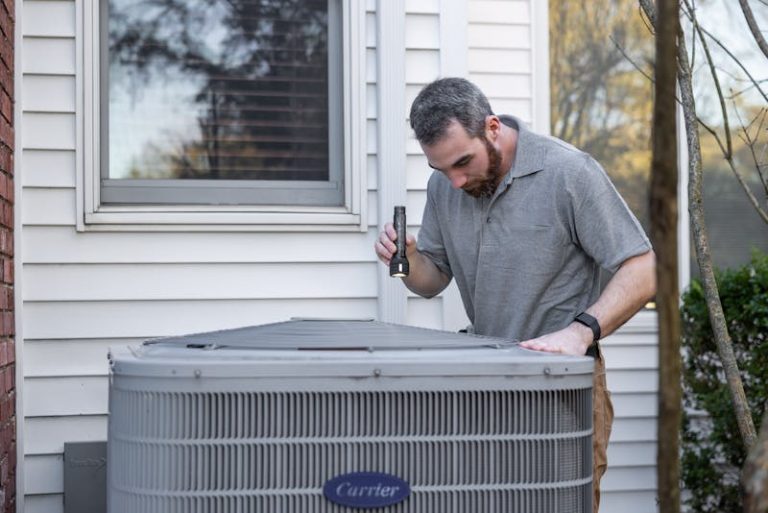
Outdoor maintenance matters as well. Keeping debris away from outdoor units improves airflow and allows systems to operate more efficiently. Dirty or blocked outdoor components force equipment to work harder while consuming additional energy.
Preparation is one of the best ways to avoid expensive breakdowns during peak demand periods. Homes that are properly maintained and insulated remain more comfortable while using less energy overall.
Protect Equipment With Routine Electrical Inspections
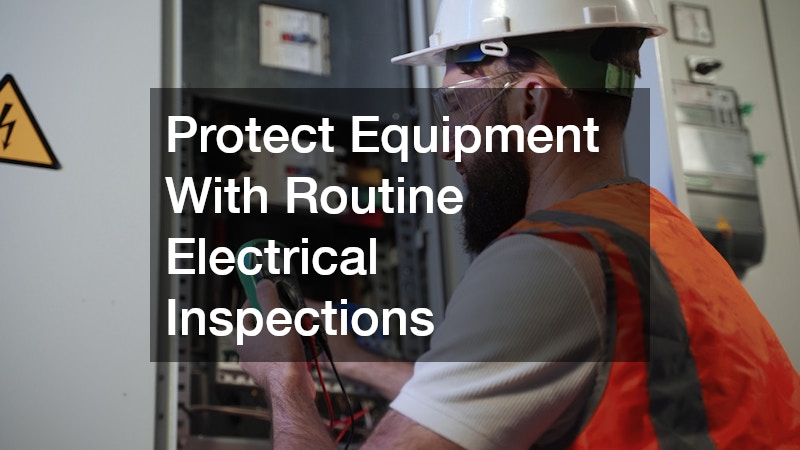
Electrical problems can quietly reduce HVAC efficiency long before homeowners notice obvious symptoms. Loose wiring, damaged breakers, overloaded circuits, and aging electrical components often interfere with proper system operation. Scheduling professional electrical service inspections helps identify these issues early.
Modern AC installation projects frequently include electrical upgrades because newer systems often require improved wiring and circuit capacity. Without proper electrical support, even high-efficiency systems may struggle to perform correctly.
Warning signs such as flickering lights, tripped breakers, buzzing sounds, or inconsistent system performance should never be ignored. These symptoms often indicate underlying electrical problems that affect both efficiency and safety.
Routine inspections help ensure all HVAC components receive stable power and operate safely. Technicians can identify worn connections, failing capacitors, and overloaded systems before major failures occur.
Protecting electrical systems improves overall HVAC performance, extends equipment lifespan, and reduces the likelihood of costly emergency repairs.
Creating a More Comfortable and Efficient Home
Improving home energy efficiency requires more than simply adjusting the thermostat. Routine maintenance, smart upgrades, airflow improvements, and proactive repairs all play important roles in reducing energy waste and improving comfort.
Professional inspections help identify hidden inefficiencies before they lead to expensive utility bills or equipment failures. Whether upgrading aging equipment, improving insulation, or addressing airflow issues, homeowners have many opportunities to improve system performance and lower long-term costs.
Consistent maintenance and thoughtful upgrades not only reduce energy usage but also create a healthier, more comfortable living environment. By investing in preventive care and modern solutions, homeowners can enjoy reliable comfort while keeping heating and cooling expenses under control for years to come.
About the Author