Modern homeowners are demanding more from their comfort systems than ever before. It’s no longer just about staying cool in the summer or warm in the winter-today’s households want efficiency, flexibility, and cost control. With rising energy costs and evolving home designs, traditional heating and cooling systems don’t always meet these expectations.
That’s where ductless systems come in. They’ve become an increasingly popular solution for homeowners who want targeted comfort without the limitations of bulky ductwork. Whether you’re upgrading an older home, finishing a new addition, or simply looking for better performance, this guide will walk you through the real-world benefits and practical considerations of making the switch.
Understand How Ductless Systems Improve Home Comfort
One of the biggest advantages of mini split installation is how dramatically it improves comfort inside your home compared to traditional systems. Unlike standard air conditioning setups that rely on a central unit and ductwork, ductless systems deliver conditioned air directly into individual rooms. This allows homeowners to create a more personalized environment tailored to each space. Instead of relying on one thermostat to control the entire house, each indoor unit operates independently. That means bedrooms, living areas, and home offices can all maintain different temperatures based on preference. This is especially useful for families with varying comfort needs or homes with inconsistent airflow.
Why this matters for everyday living:
- Eliminate hot and cold spots in rooms that never seem comfortable
- Customize temperatures for bedrooms, living spaces, and offices
- Reduce arguments over thermostat settings in shared households
Actionable tips:
- Identify rooms that feel uncomfortable year-round-these are ideal candidates
- Consider installing units in frequently used spaces first
- Use zoning to match your daily routines (cool bedrooms at night, living areas during the day)
Taking the time to evaluate how your home is currently used can make a significant difference in how effective your system upgrade will be. Focus on comfort pain points first, then expand coverage as needed. Small adjustments in placement and usage patterns can deliver noticeable improvements in daily comfort.
Compare Energy Efficiency with Traditional Cooling Options
Energy efficiency is one of the most compelling reasons homeowners consider upgrading their systems. Traditional setups often lose a significant amount of energy through ductwork, which can drive up monthly utility bills without delivering consistent comfort. In contrast, systems that use heat pump technology are designed to transfer heat rather than generate it, making them far more efficient. This approach reduces wasted energy while still maintaining reliable performance throughout the year. Additionally, modern systems adjust their output based on demand, which prevents unnecessary energy usage. When planning an air conditioner install, comparing long-term efficiency between system types can reveal significant cost differences.
Key efficiency advantages:
- No duct losses, which improves overall performance
- Variable-speed compressors adjust output based on demand
- Lower monthly energy bills over time
When comparing to traditional systems:
- Central systems often cool the entire home unnecessarily
- Duct leaks reduce efficiency even in newer homes
- Repairs and upgrades can increase long-term costs
Actionable tips:
- Look for high-efficiency ratings when selecting a system
- Ask for an energy savings estimate before upgrading
- Compare long-term operating costs, not just the upfront price
By taking a long-term view of energy usage, homeowners can better understand the financial benefits of upgrading. Even if the initial investment is higher, the monthly savings can quickly add up. Choosing the right system with efficiency in mind ensures both comfort and cost control moving forward.
Evaluate Installation Flexibility for Different Home Layouts
Not every home is designed to accommodate traditional HVAC installation, especially older properties or unique layouts. Ductless systems offer a level of flexibility that makes them suitable for a wide range of situations. Because they don’t require extensive ductwork, installation is often quicker and less invasive. This makes them ideal for homeowners who want to upgrade without tearing into walls or ceilings. In many cases, only a small opening is needed to connect indoor and outdoor components. Compared to other local AC installations, this simplicity can significantly reduce both labor time and disruption.
Ideal scenarios:
- Older homes without existing ductwork
- Room additions or garage conversions
- Basements, attics, or sunrooms
Benefits over traditional systems:
- Faster installation timelines
- Minimal structural modifications
- Lower overall disruption
Actionable tips:
- Walk through your home and note areas lacking airflow
- Consider future renovations when planning placement
- Choose mounting options that fit your space
Understanding your home’s layout is key to maximizing installation benefits. Careful planning ensures that each unit is placed where it will be most effective. This not only improves comfort but also helps avoid unnecessary adjustments later.
Choose the Right System Size and Configuration
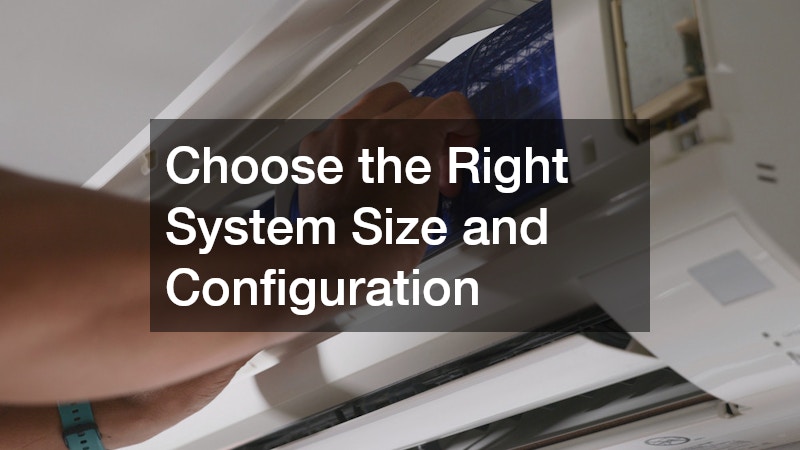
Selecting the correct system size is one of the most important steps in achieving optimal performance. Many homeowners assume bigger is better, but that’s not always the case. A system that is too large can cycle on and off frequently, which reduces efficiency and increases wear. On the other hand, a system that is too small may struggle to maintain comfortable temperatures. That’s why experienced AC installers play such a critical role in the process. They perform detailed calculations to determine the exact capacity needed for each space. Working with a knowledgeable HVAC company ensures that your system is tailored to your home’s specific requirements.
Important considerations:
- Square footage of each room
- Ceiling height and insulation quality
- Window placement and sun exposure
Choosing the right setup:
- Single-zone systems for individual rooms
- Multi-zone systems for larger homes
- Options for future expansion
Actionable tips:
- Request a detailed sizing calculation before installation
- Avoid one-size-fits-all recommendations
- Plan for future needs when selecting a system
Proper sizing has a direct impact on comfort, efficiency, and system lifespan. Taking the time to get this step right will prevent many common issues down the road. A well-configured system operates more smoothly and requires fewer adjustments over time.
Improve Indoor Air Quality Without Ductwork
Indoor air quality is becoming an increasingly important consideration for homeowners, especially those with allergies or respiratory concerns. Traditional air conditioning systems can circulate dust, pollen, and other contaminants through ductwork, which can negatively impact air quality. Ductless systems eliminate this issue by delivering air directly into each room without relying on ducts. This reduces the chances of airborne particles spreading throughout the home. Many systems also include built-in filtration features that help capture pollutants before they enter the living space. Compared to traditional HVAC installation, this creates a cleaner and healthier indoor environment.
Benefits for air quality:
- Reduced dust and allergen circulation
- Built-in filtration systems
- Lower risk of mold growth
Additional advantages:
- Easier access for cleaning filters
- More consistent airflow
- Reduced maintenance requirements
Actionable tips:
- Clean filters regularly to maintain performance
- Schedule periodic professional maintenance
- Consider advanced filtration options if available
Maintaining good air quality requires consistent attention and care. Simple steps like cleaning filters and scheduling maintenance can make a noticeable difference. By prioritizing air quality, homeowners can create a more comfortable and healthier living environment.
Lower Long-Term Maintenance and Repair Costs
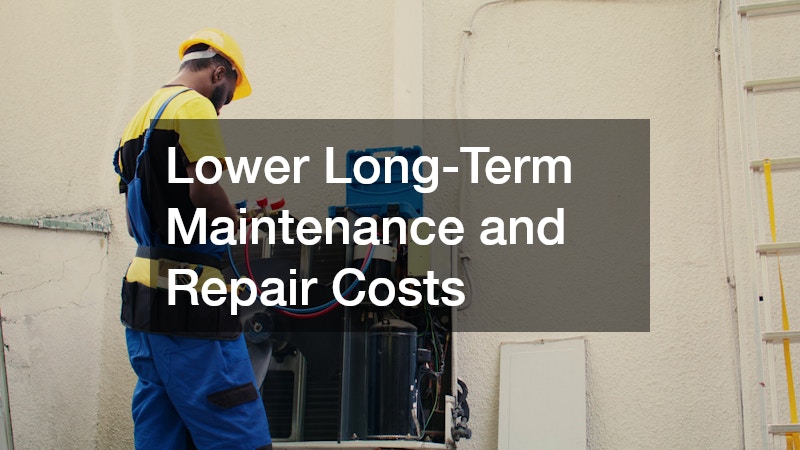
Maintenance costs are an important factor to consider when choosing a system for your home. Traditional systems often require regular duct cleaning, repairs, and component replacements, which can add up over time. Ductless systems tend to have fewer moving parts, making them easier to maintain and less prone to breakdowns. This simplicity can lead to fewer service calls and lower overall expenses. While homeowners may still need occasional services like water heater repair or other home maintenance, their cooling system will generally require less attention. Working with a reliable HVAC company can further reduce long-term costs by ensuring proper upkeep.
Why maintenance is simpler:
- No duct cleaning required
- Fewer mechanical components
- Easier access for servicing
Cost-saving benefits:
- Reduced the likelihood of major repairs
- Lower annual maintenance expenses
- Longer system lifespan
Actionable tips:
- Schedule annual inspections to catch issues early
- Keep filters clean to prevent strain on the system
- Address minor problems before they escalate
A proactive approach to maintenance can extend the life of your system and improve performance. Regular checkups help identify potential issues before they become costly repairs. By staying consistent with maintenance, homeowners can enjoy reliable comfort without unexpected expenses.
Maximize Savings with Smart Controls and Zoning
Smart technology has changed the way homeowners interact with their comfort systems. Many modern systems offer advanced controls that allow users to manage temperatures remotely through smartphones or other devices. This added convenience makes it easier to maintain comfort while reducing unnecessary energy usage. Systems that incorporate heat pump functionality can also adjust more efficiently to seasonal changes. Working with an experienced AC and heating contractor can help ensure that zoning is set up correctly for maximum efficiency. With proper configuration, homeowners can control exactly where and when energy is used.
Features that drive savings:
- Remote access and control
- Programmable temperature schedules
- Room-by-room customization
Additional advantages:
- Reduced energy waste
- Improved system efficiency
- Greater control over comfort
Actionable tips:
- Set schedules based on daily routines
- Turn off units in unused rooms
- Optimize zoning for different seasons
Using smart features effectively requires a bit of planning, but the payoff is worth it. Small adjustments to usage patterns can lead to significant reductions in energy bills. Over time, these savings contribute to the overall value of the system.
Enhance Home Value and Buyer Appeal

Upgrading your home’s comfort system can have a direct impact on its market value. Buyers today are increasingly looking for energy-efficient solutions that offer flexibility and modern convenience. A well-executed mini split installation can make your home more attractive to potential buyers. Compared to other local AC installations, ductless systems often stand out because of their efficiency and adaptability. They signal that the home has been updated with current technology and thoughtful improvements. This can give sellers a competitive edge in a crowded market.
Why buyers care:
- Lower utility costs
- Modern system design
- Improved comfort
Market advantages:
- Increased buyer interest
- Faster sales potential
- Stronger perceived value
Actionable tips:
- Keep records of installation and maintenance
- Highlight system features in listings
- Emphasize energy savings to buyers
Making strategic upgrades can significantly improve how your home is perceived. Buyers are often willing to pay more for homes that require fewer upgrades after purchase. By investing in modern solutions, homeowners can position their property more competitively.
Avoid Common Installation Mistakes Homeowners Make
Even the most advanced system can underperform if it’s installed incorrectly. Many homeowners run into issues because they overlook important details during the installation process. Choosing inexperienced AC installers or skipping necessary steps can lead to long-term problems. During an air conditioner install, improper placement or sizing can reduce efficiency and comfort. These mistakes can also increase wear and tear on the system, leading to more frequent repairs. Taking the time to plan and work with qualified professionals is essential.
Common mistakes:
- Incorrect unit placement
- Improper system sizing
- Skipping permits or inspections
Risks of poor installation:
- Reduced efficiency
- Higher energy bills
- Increased maintenance needs
Actionable tips:
- Verify licensing and experience before hiring
- Ask for references and past project examples
- Ensure all work meets local codes and standards
Avoiding these mistakes requires attention to detail and proper planning. Homeowners who take the time to vet their installers are more likely to have a successful experience. Investing in quality installation upfront can prevent costly issues later.
When a Ductless System Makes the Most Sense
Choosing the right system depends on your home’s layout, your budget, and your long-term goals. Ductless systems are an excellent option in many situations, but they aren’t always the perfect fit for every home. They work especially well in homes without existing ductwork or in spaces that need additional climate control. In some cases, traditional HVAC installation may still be a viable option, particularly for larger homes with established systems. Consulting with an experienced AC and heating contractor can help you evaluate your options and make an informed decision.
Ideal situations:
- Homes without ductwork
- Additions or renovated spaces
- Rooms with inconsistent temperatures
When other systems may work:
- Large homes with existing duct systems
- Situations requiring whole-home uniform cooling
Actionable tips:
- Get multiple quotes before deciding
- Compare both upfront and long-term costs
- Consider future expansion or upgrades
Taking the time to evaluate your options ensures that you make the right investment. Every home is different, and what works for one may not work for another. By carefully considering your needs and working with professionals, you can select a system that delivers lasting comfort and value.
Making the Right Choice for Long-Term Comfort
Ductless systems offer a modern approach to home comfort that aligns with the needs of today’s homeowners. They provide flexibility, efficiency, and control that traditional systems often struggle to match. By understanding how these systems work and evaluating your specific situation, you can make a more informed decision. Whether you’re upgrading an existing setup or planning a new installation, the right choice will depend on your home’s unique characteristics.
Investing in a well-designed system can lead to years of improved comfort and lower energy costs. With careful planning and professional guidance, homeowners can maximize the benefits of their upgrade. Taking the time to choose the right solution today will pay off in both performance and long-term satisfaction.
About the Author