Heating and cooling account for a large portion of most household energy use. When temperatures spike in the summer or drop in the winter, your HVAC system works harder to maintain a comfortable indoor environment. This added demand can drive monthly utility bills higher than expected, especially if your system is not optimized for efficiency. Fortunately, there are many practical steps homeowners can take to reduce energy waste, improve system performance, and keep heating and cooling expenses under control.
Lowering your HVAC utility bills is not just about upgrading equipment. It also involves learning how your system functions, identifying hidden sources of energy loss, and adopting maintenance habits that support long-term efficiency. Simple improvements can make a significant financial difference over time, and many do not require major renovations or large investments.
Understanding How Your HVAC System Impacts Energy Costs
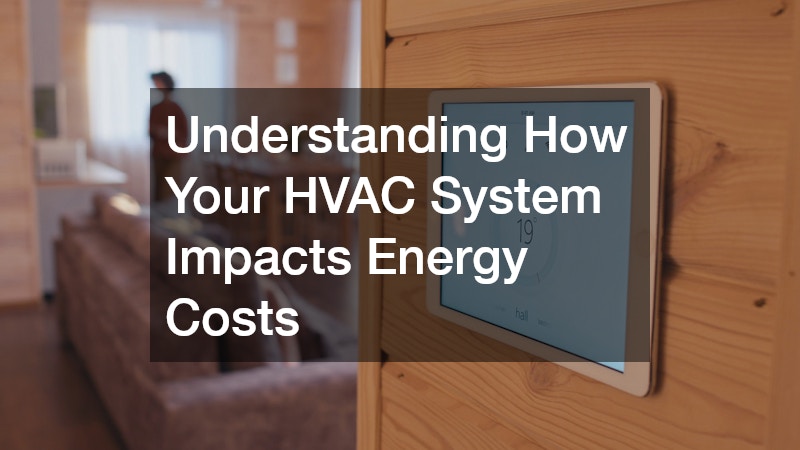
Every HVAC system is designed to maintain indoor comfort by regulating temperature and airflow throughout your home. However, the amount of energy required to operate depends on several important factors, including system size, age, condition, and efficiency rating. Equipment that is outdated, improperly sized, or poorly maintained must work harder to achieve the same results as a newer or well-tuned unit. This added strain leads to more frequent run cycles and increased energy consumption.
How you use your system can also affect utility costs. Constantly adjusting the thermostat, blocking air vents with furniture, or allowing doors and windows to remain open during operation can place unnecessary demand on heating and cooling equipment. Over time, these habits contribute to higher bills and additional wear on mechanical components. Even the climate where you live influences performance, since extreme heat or prolonged cold seasons require longer system operation.
Homeowners who invest in modern HVAC products often notice improved efficiency, but habits and maintenance practices remain just as important as equipment type. Understanding which factors influence energy use allows you to make better decisions about system care and performance. When you become familiar with how heating and cooling equipment functions, you can more easily identify inefficiencies, reduce waste, and create a more comfortable indoor living environment.
Why Regular HVAC Maintenance Helps Lower Utility Bills
Routine HVAC maintenance plays a critical role in controlling household energy costs. Systems that are inspected and serviced regularly tend to operate more efficiently because dust, buildup, and worn components are addressed before they interfere with performance. Even something as small as a loose electrical connection or clogged coil can cause equipment to run longer than necessary, leading to unnecessary increases in energy usage.
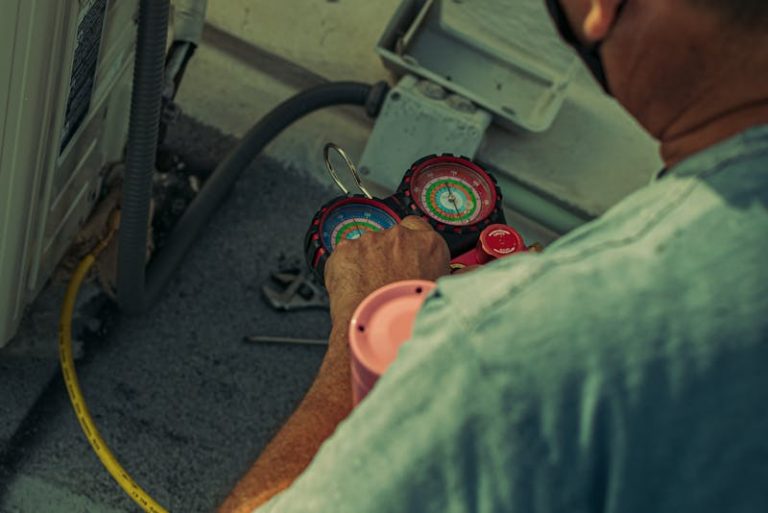
Homeowners who schedule service with local ac repair services benefit from professional insight and detailed system assessments. Trained technicians can measure efficiency levels, check refrigerant balance, and verify that each component is functioning as intended. Over time, this care not only lowers monthly utility costs but also extends the lifespan of your heating and cooling equipment. A well-maintained system uses less energy, delivers more reliable comfort, and helps you avoid unexpected repair expenses.
How Proper Insulation Can Improve HVAC Efficiency
Insulation is one of the most important factors influencing how hard your HVAC system has to work. When a home lacks sufficient insulation, heated or cooled air escapes through walls, attics, and crawl spaces. This creates temperature fluctuations throughout the house and forces your system to run longer in order to maintain comfort. The more air that escapes, the higher your energy bills climb.
Proper insulation helps stabilize indoor temperatures by reducing heat transfer between your living areas and the outdoors. During summer months, it prevents warm air from entering the home. In winter, it traps heat inside and keeps cold air out. By improving the building envelope, insulation minimizes the workload on your HVAC system and supports consistent, efficient operation.
Homeowners often consult an HVAC contractor when assessing insulation needs, especially in older homes where materials may have deteriorated or become compressed over time. Adding or upgrading insulation in key areas such as the attic, basement, or exterior walls can make a substantial difference in comfort and energy savings. When your home retains conditioned air more effectively, your system runs fewer cycles, reduces energy consumption, and delivers a more balanced indoor climate throughout the year.
The Importance of Changing Your Air Filters Frequently
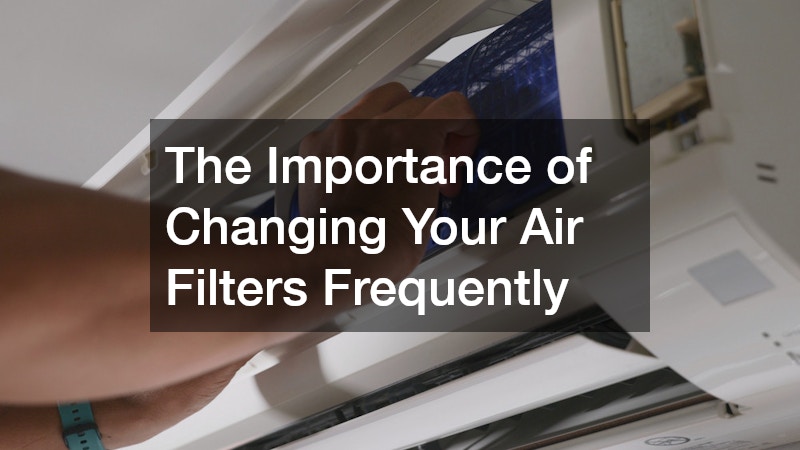
Air filters play an essential role in both indoor air quality and HVAC performance. Their primary function is to capture dust, pollen, pet dander, and other airborne particles that circulate through your system. Over time, these filters become clogged with debris, restricting airflow and forcing the system to operate harder than necessary. This added strain results in longer run times and higher energy costs.
Changing your air filters regularly is one of the simplest and most affordable ways to reduce utility bills. Clean filters allow air to move freely through your system, improving efficiency and reducing mechanical stress. They also support better indoor air quality, which benefits household members who suffer from allergies or respiratory sensitivities.
Homes with pets, smokers, or high activity levels may require more frequent filter replacements than households with lighter usage. Consider the manufacturer’s recommendations and inspect filters monthly to determine when replacement is needed. Many homeowners who upgrade to enhanced filtration systems during mini split ac installation also notice improved airflow and performance.
Sealing Air Leaks to Prevent Energy Waste
Air leaks are a common but often overlooked source of energy loss in many homes. Small gaps around windows, doors, plumbing openings, or attic access points allow conditioned air to escape and outdoor air to enter. When this exchange occurs, your HVAC system must run longer to maintain the desired temperature, resulting in increased energy use and higher monthly bills.
Identifying and sealing these leaks can dramatically improve system performance. Weatherstripping, caulking, and foam insulation are effective solutions for closing gaps and strengthening your home’s thermal envelope. Common problem areas include window frames, door thresholds, duct connections, and areas where pipes or wiring pass through walls.
Scheduling professional air conditioning service can also help identify hidden leaks and duct inefficiencies that may not be easily visible. Technicians may perform pressure testing or duct inspections to determine where energy loss is occurring. Once leaks are sealed, homeowners often notice more consistent indoor temperatures, quieter system operation, and measurable reductions in utility costs.
Benefits of Scheduling Seasonal HVAC Tune-Ups
Seasonal HVAC tune-ups ensure that your heating and cooling system is prepared for the demands of upcoming weather conditions. During these visits, technicians inspect critical components, clean internal parts, and test system functionality. This process helps verify that each unit is performing at its highest efficiency before it enters peak operating season.
A comprehensive tune-up may include checking refrigerant levels, calibrating thermostat settings, tightening electrical connections, and cleaning coils or blower assemblies. These adjustments may seem minor, but together they help reduce wear, improve airflow, and support smoother performance. When a system runs more efficiently, it requires less energy to maintain comfortable indoor temperatures.
Homeowners who rely on local furnace repair professionals for seasonal maintenance often experience fewer breakdowns and more predictable energy costs. Regular tune-ups help identify weakening parts before they fail, which can prevent emergency repairs and extend equipment life. They also provide valuable insight into the overall condition of your HVAC system.
By scheduling maintenance before extreme weather arrives, you ensure that your system is ready to handle increased demand without wasting energy. Seasonal tune-ups are an investment that pays off through improved comfort, enhanced reliability, and lower monthly utility bills.
How a Programmable Thermostat Can Save You Money

A programmable thermostat allows homeowners to control heating and cooling schedules more accurately, which can significantly reduce energy waste. Instead of running your system at the same temperature all day, a programmable device adjusts settings automatically based on occupancy patterns and daily routines. This ensures that energy is not consumed unnecessarily when the home is empty or when sleeping.
These thermostats allow you to set different temperature ranges for mornings, evenings, work hours, and weekends. Over time, these adjustments can lead to noticeable reductions in energy use without sacrificing comfort. Many modern models also provide usage reports that help homeowners better understand their consumption patterns and identify opportunities for improvement.
Some homeowners choose to upgrade their thermostat while working with providers who also offer electrical services, especially when integrating new wiring or smart home connectivity. Proper installation ensures accurate temperature readings and seamless system communication.
By using a programmable thermostat effectively, you can maintain a comfortable living environment, prevent excessive system cycling, and benefit from greater control over your monthly utility expenses.
How to Use Ceiling Fans to Support Your HVAC System
Ceiling fans are an effective and affordable way to complement your HVAC system and reduce energy consumption. While fans do not change the actual temperature in a room, they circulate air to create a cooling effect on the skin. This allows you to raise the thermostat slightly during warm seasons while still feeling comfortable, which reduces the workload on your cooling system.
In summer, fans should rotate in a counterclockwise direction to push cool air downward and create a gentle breeze. During winter, reversing the direction helps distribute warm air that rises toward the ceiling, allowing it to circulate throughout the room. This improved air movement can minimize temperature differences between rooms and enhance overall comfort.
Homeowners sometimes consult local electricians when installing new ceiling fans, especially in rooms without existing overhead fixtures. Proper wiring and secure mounting ensure safe and reliable operation throughout the year.
By using ceiling fans strategically, you can support your HVAC system, improve air circulation, and lower energy use without sacrificing comfort. This simple measure can help reduce utility bills and create a more balanced indoor environment.
Smart Home Technology That Reduces HVAC Costs
Smart home technology continues to play a growing role in energy efficiency and HVAC management. Devices such as smart thermostats, automated sensors, and connected monitoring systems allow homeowners to track performance, adjust settings remotely, and receive alerts when unusual activity occurs. This added level of control helps prevent unnecessary energy use and promotes better system care.
Many smart thermostats learn household routines over time and automatically optimize temperature settings based on usage patterns. Others integrate with voice assistants or mobile apps, allowing homeowners to adjust temperatures while away from home. Some systems provide real-time energy reports that make it easier to monitor consumption and identify inefficiencies.
Smart sensors can also detect room occupancy, humidity levels, or airflow variations. When connected to your HVAC equipment, they help maintain comfort more precisely while minimizing wasted energy. In some cases, homeowners collaborate with licensed electricians to ensure safe installation and proper connectivity of these devices.
Adopting smart technology can lead to long-term savings by improving temperature control, reducing system strain, and encouraging energy-conscious habits throughout the home.
When to Call a Professional HVAC Technician for Help
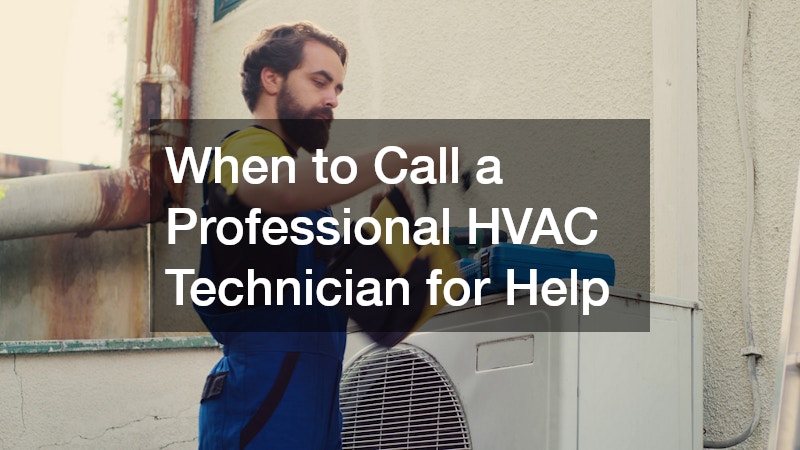
While many energy-saving steps can be handled by homeowners, certain issues require the expertise of a trained professional. Unusual noises, inconsistent temperatures, frequent cycling, or sudden increases in utility bills may indicate underlying mechanical or system problems. Ignoring these warning signs can lead to costly repairs or permanent damage.
Professional technicians have the tools and knowledge needed to diagnose hidden issues, such as refrigerant leaks, failing motors, or airflow obstructions. They can also assess whether your system is properly sized for your home or nearing the end of its service life. In some cases, upgrading to more efficient equipment may provide better long-term savings.
Businesses and property owners often rely on commercial hvac installation services when managing larger systems or complex building environments. These specialists ensure that equipment is installed correctly, balanced properly, and optimized for performance.
Knowing when to call a professional helps protect your investment, prevents unnecessary energy loss, and ensures that your HVAC system remains safe and reliable throughout the year.
Reducing HVAC utility bills requires a combination of smart habits, preventive maintenance, and thoughtful upgrades. From improving insulation and sealing air leaks to scheduling seasonal tune-ups and adopting programmable controls, each strategy contributes to better performance and lower energy consumption. Even small actions, such as replacing air filters and using ceiling fans, can produce noticeable savings over time.
By understanding how your HVAC system operates and taking proactive steps to support its efficiency, you can maintain a comfortable home environment while keeping energy costs manageable. Whether you plan to make gradual improvements or invest in long-term upgrades, the strategies in this guide can help you achieve greater comfort, improved reliability, and more predictable monthly utility bills
About the Author